
US Orders 30 Universities to Review China Ties


Recently, the U.S. Department of War issued formal notifications to 30 U.S. academic institutions, directing them to launch immediate and comprehensive reviews of their academic, financial, and research collaborations with foreign entities of concern. The list of foreign institutions identified in the notifications indicates that the directive is primarily focused on collaborations with Chinese research institutions.
According to the notifications, to maintain eligibility for future federal research funding, the universities must conduct a comprehensive audit of all identified foreign collaborations, assess their exposure to sensitive or export-controlled research, and implement strict mitigation measures, including terminating problematic partnerships where necessary. The institutions are required to report their findings and the actions they have taken directly to the Department no later than August 31, 2026.
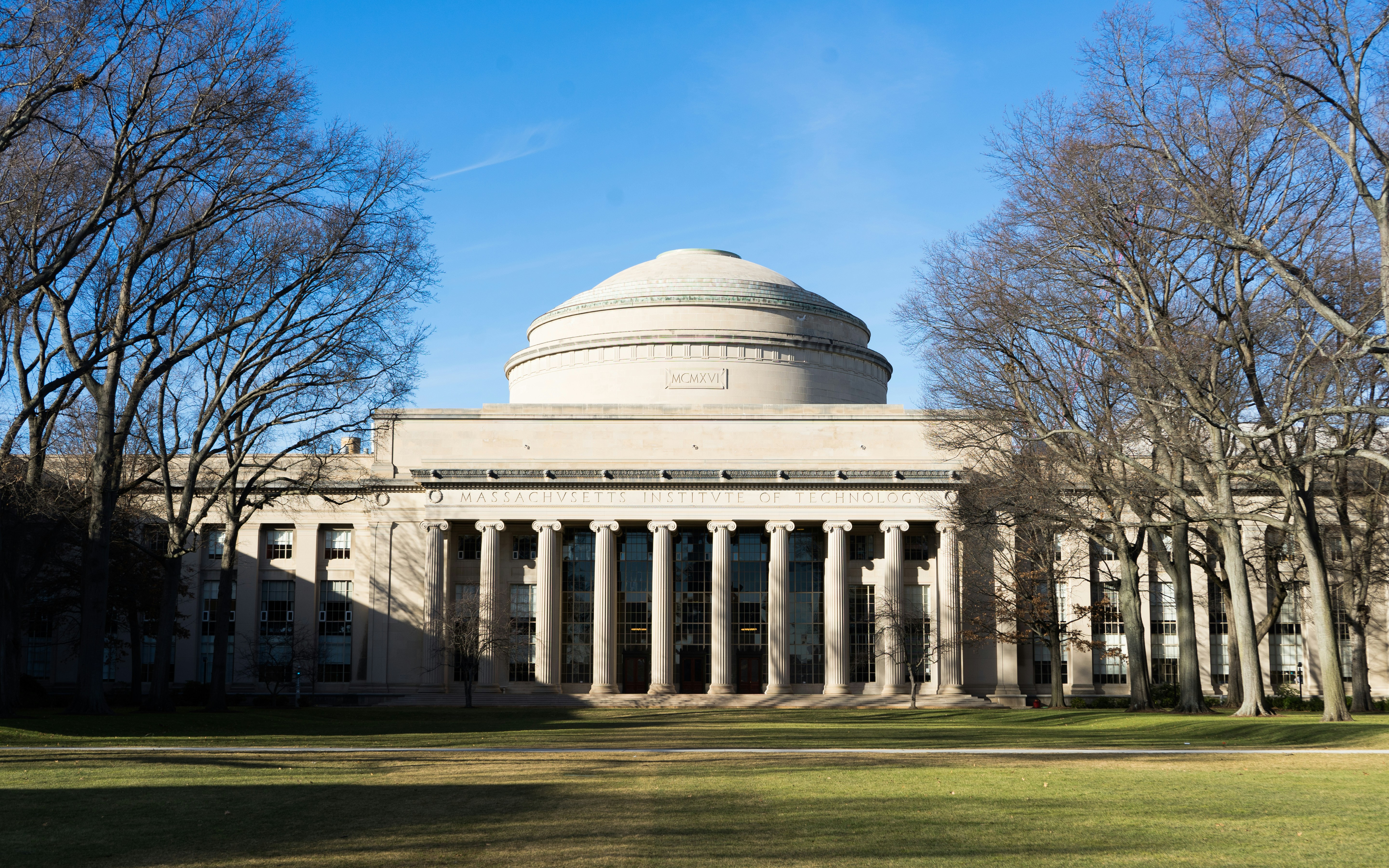
A U.S. official provided The Guardian with the full list of the 30 universities required to conduct the reviews. They are: the University of California, Berkeley; the University of California, Los Angeles; the University of California, San Diego; the University of Southern California; Illinois Institute of Technology; Southern Illinois University Carbondale; the University of Illinois Urbana-Champaign; Harvard University; Massachusetts Institute of Technology; Worcester Polytechnic Institute; Cornell University; New York University; Stony Brook University; Duke University; the University of North Carolina at Chapel Hill; Northeastern State University in Tahlequah; Oklahoma State University; the University of Delaware; Emory University; Drake University; Johns Hopkins University; the University of Minnesota; the University of Cincinnati; Portland State University; Penn State University; Bryant University; the University of South Carolina; the University of Texas at Austin; Virginia Polytechnic Institute and State University; and Georgetown University. The list includes many highly ranked U.S. universities.
U.S.-China research collaboration is facing increasingly stringent restrictions.
In July, the National Science Foundation (NSF) published a notice on its website titled “Prohibition on Collaborations with Restricted Entities,” announcing a new policy that will take effect in fiscal year 2027. Under the policy, NSF-funded researchers will be prohibited from using NSF grant funds to collaborate with institutions or their employees that appear on U.S. government restricted lists. In addition, during the period of an NSF-funded project, key research personnel may not hold positions at, or receive research support from, restricted entities.
The list covers hundreds of leading Chinese universities, national laboratories, and other research institutions. The policy would effectively bar NSF-funded U.S. scientists from collaborating with nearly all Chinese research institutions and scientists.
At the same time, the White House Office of Management and Budget (OMB) has issued a proposed rule that is expected to take effect in December this year and would overhaul federal grant policies. The proposal seeks to establish uniform standards across federal agencies that would prohibit the use of federal grant funds for any research collaborations involving China, Russia, Iran, North Korea, and other designated “countries of concern.”


TRENDING
MIT Overtakes Harvard as U.S. and China Dominate September Nature and Science Output
Data & Rankings
From Training Talent to Winning Nobels: The Universities Behind the Laureates
Data & Rankings
Getting Older, Crossing Disciplines: What Nobel Prize Data Reveal
Data & Rankings
Harvard Leads the Citation Laureates Rankings as Nobel Prize Season Approaches
Data & Rankings
Good University Guide 2027: St Andrews Takes No. 1 as Imperial Climbs Three Places
Data & Rankings