
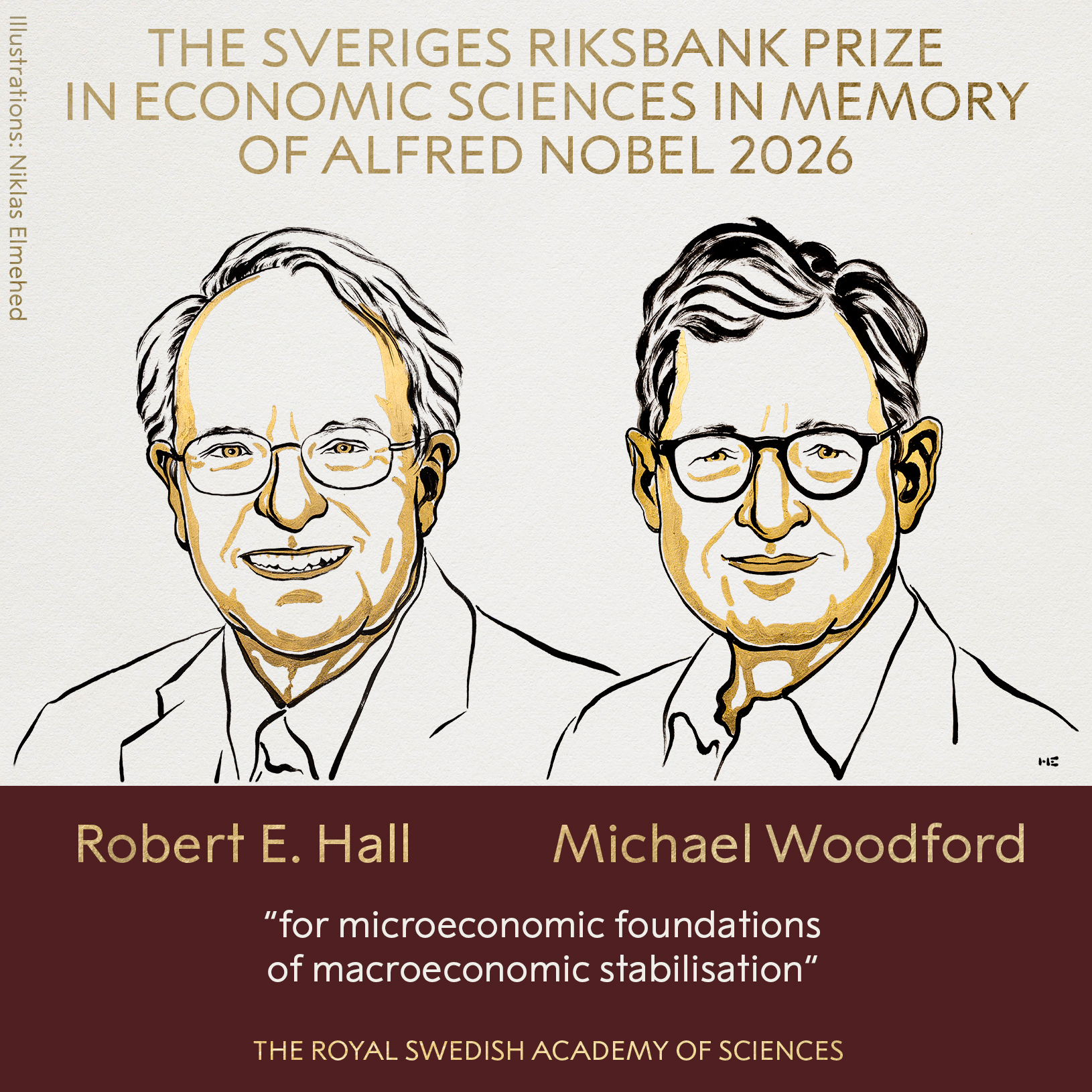
The 2026 Nobel Prize in Economic Sciences has been awarded to Robert E. Hall and Michael Woodford “for microeconomic foundations of macroeconomic stabilisation.” According to the Nobel Prize, the two economists developed new macroeconomic models that have significantly improved our understanding of how to implement effective stabilisation policies. Their work shows how timely fiscal and monetary policy measures can help smooth economic peaks and troughs. Two Economists, Two Leading US UniversitiesRobert E. Hall, born in 1943 in Palo Alto, California, earned his PhD from the Massachusetts Institute of Technology (MIT) in 1967. He is a professor at Stanford University. Michael Woodford, born in 1955 in Chicopee, Massachusetts, earned his PhD from MIT in 1983. He is a professor at Columbia University in New York. The award highlights the continuing importance of strong university-based research in economic policy, bringing together microeconomic foundations and macroeconomic stabilisation to better understand how economies respond to shocks and policy interventions.
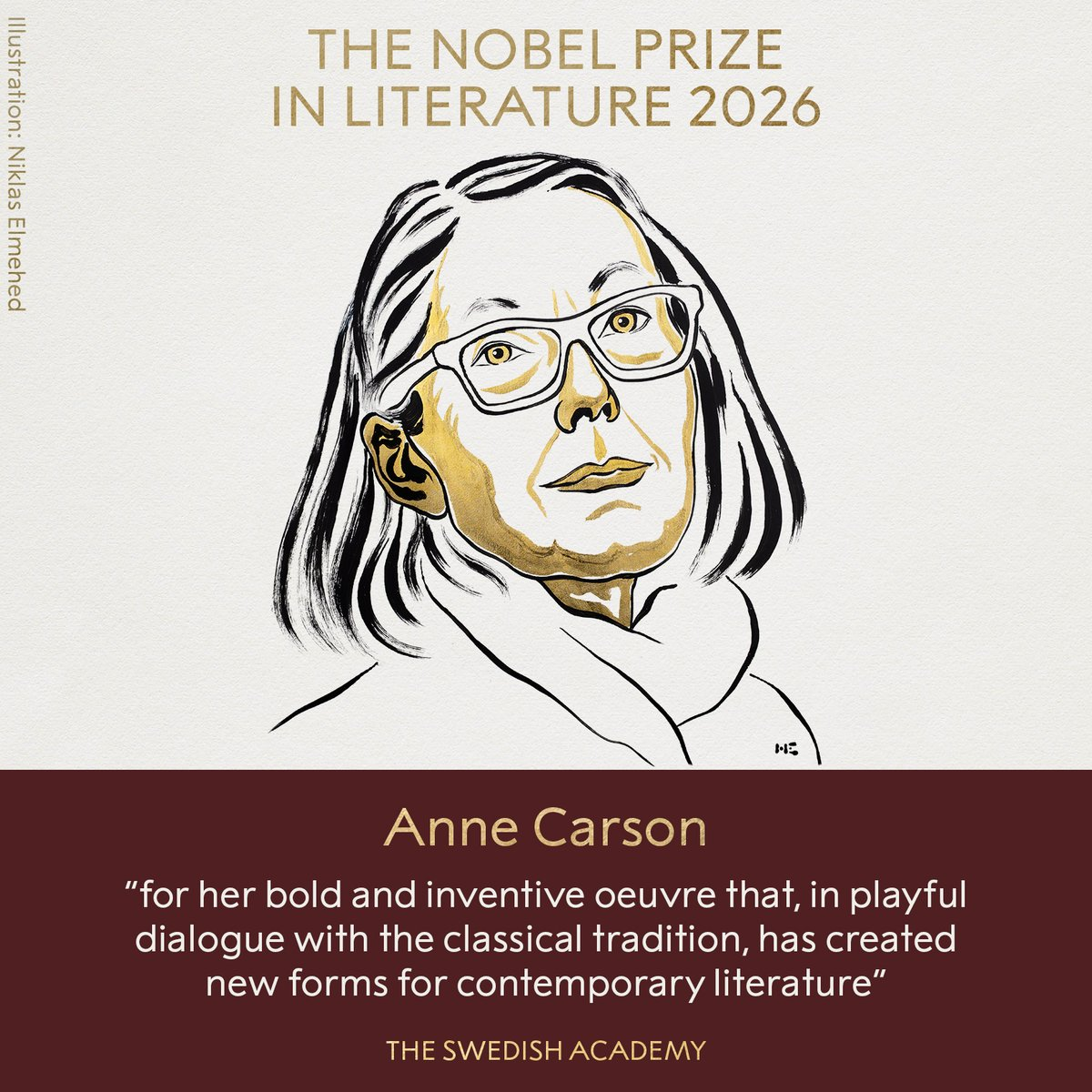
The 2026 Nobel Prize in Literature has been awarded to Canadian author Anne Carson “for her bold and inventive oeuvre that, in playful dialogue with the classical tradition, has created new forms for contemporary literature.” According to the Nobel Prize website, Carson was born in Toronto in 1950. Her work has consistently brought together poetry, translation and classical scholarship, exploring the intersection between the philologist's attention to language and the poet's search for new meanings. Carson studied Classics at the University of Toronto, earning her bachelor's, master's and doctoral degrees between 1974 and 1981. Her doctoral dissertation, Odi et Amo Ergo Sum, was published in 1981. She has also taught at several universities, including McGill University. Her translations from Classical Greek have often been regarded as literary works in their own right. They include If Not, Winter: Fragments of Sappho (2002), as well as translations of Sophocles' Electra (2001) and Antigone (2015), and Euripides' Bakkhai (2015). Carson has received numerous major literary honors, including the MacArthur Fellowship (2000), the T.S. Eliot Prize and Griffin Poetry Prize (2001), and the Princess of Asturias Award (2020). She was the first woman to win the T.S. Eliot Prize. Her best-known works include The Beauty of the Husband, which won the 2001 T.S. Eliot Prize, and Autobiography of Red, a verse novel that reimagines the Greek myth of Herakles and Geryon and was named a New York Times notable book. Carson's work frequently combines poetry, prose, fiction, translation and visual elements. Her engagement with classical literature serves as a starting point for exploring contemporary themes, while her collage-based and experimental approach continues to challenge conventional literary forms.
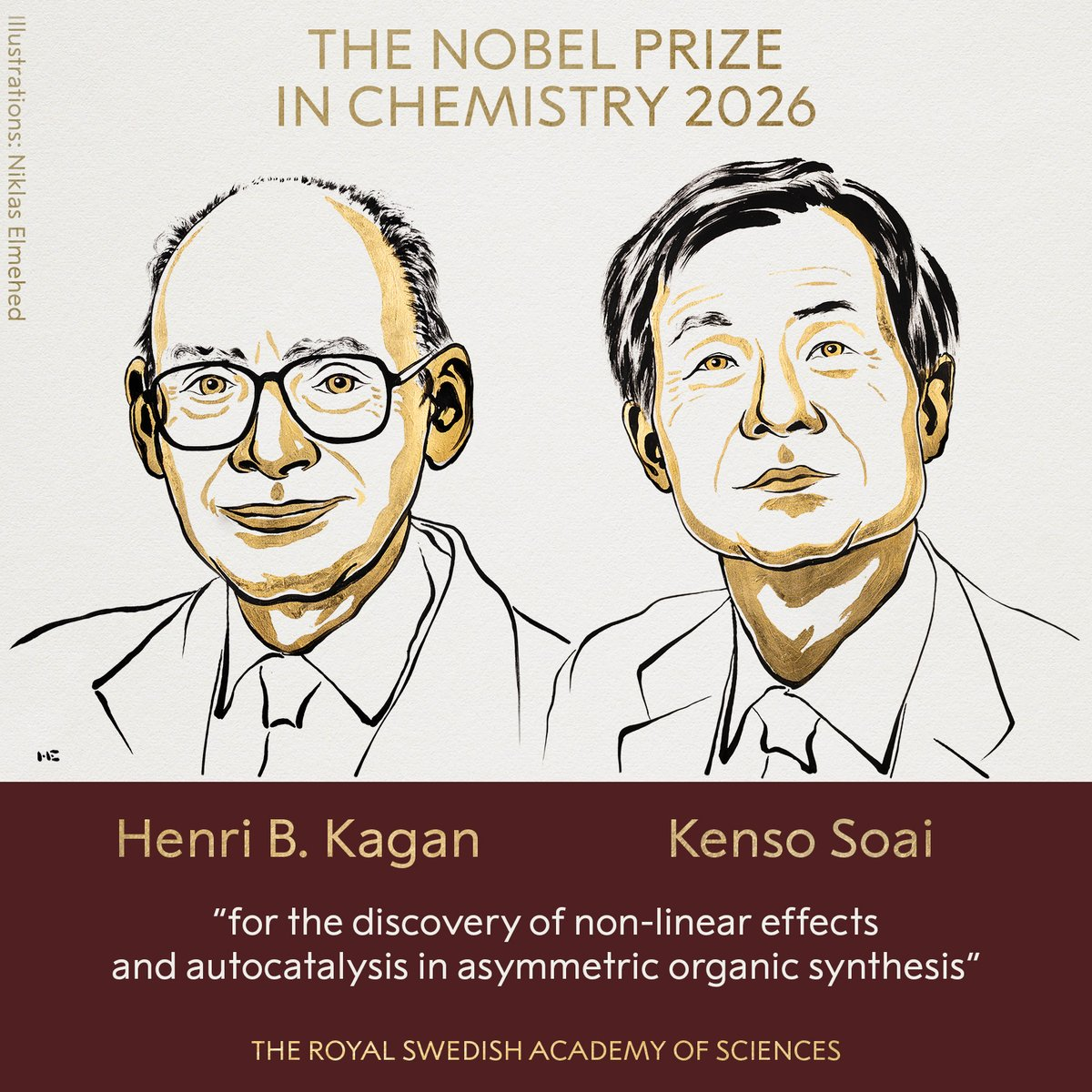
The 2026 Nobel Prize in Chemistry has been awarded to Henri B. Kagan and Kenso Soai “for the discovery of non-linear effects and autocatalysis in asymmetric organic synthesis,” the Royal Swedish Academy of Sciences announced. Kagan is affiliated with Université Paris-Sud in France, while Soai is affiliated with Tokyo University of Science in Japan. According to the Nobel Prize website, molecules such as amino acids can exist as two mirror-image forms, yet living organisms use only one of them. How this chemical asymmetry emerged has long puzzled scientists. Kagan and Soai's research helped shed light on this fundamental question. Henri B. KaganBorn in 1930, Kagan is an emeritus professor at Université Paris-Sud and a pioneer in asymmetric catalysis, with research that has had a significant impact on pharmaceutical chemistry. After studying at the University of Paris and the École Supérieure de Chimie de Paris, he completed doctoral research at the Collège de France. Among his major contributions was the development of C2-symmetric ligands, including DIOP, for asymmetric catalysis. In 1986, Kagan identified non-linear effects in asymmetric catalysis and developed mathematical models to describe them. His work helped establish non-linear effects as an important area of chemical research, with implications for understanding asymmetric amplification and the origins of biological asymmetry. Kenso SoaiSoai is a Japanese organic chemist and professor at Tokyo University of Science. He earned his PhD in organic synthesis from the University of Tokyo in 1979 under Teruaki Mukaiyama, followed by postdoctoral research at the University of North Carolina. His research focuses on asymmetric synthesis, asymmetric autocatalysis and the origins of chirality. The Soai reaction, an asymmetric autocatalytic reaction named after him, has become an important example in research into how chemical asymmetry can emerge and amplify. Soai has also held visiting positions at institutions including ESPCI Paris, Kyushu University, Waseda University, the University of Strasbourg and Jilin University.
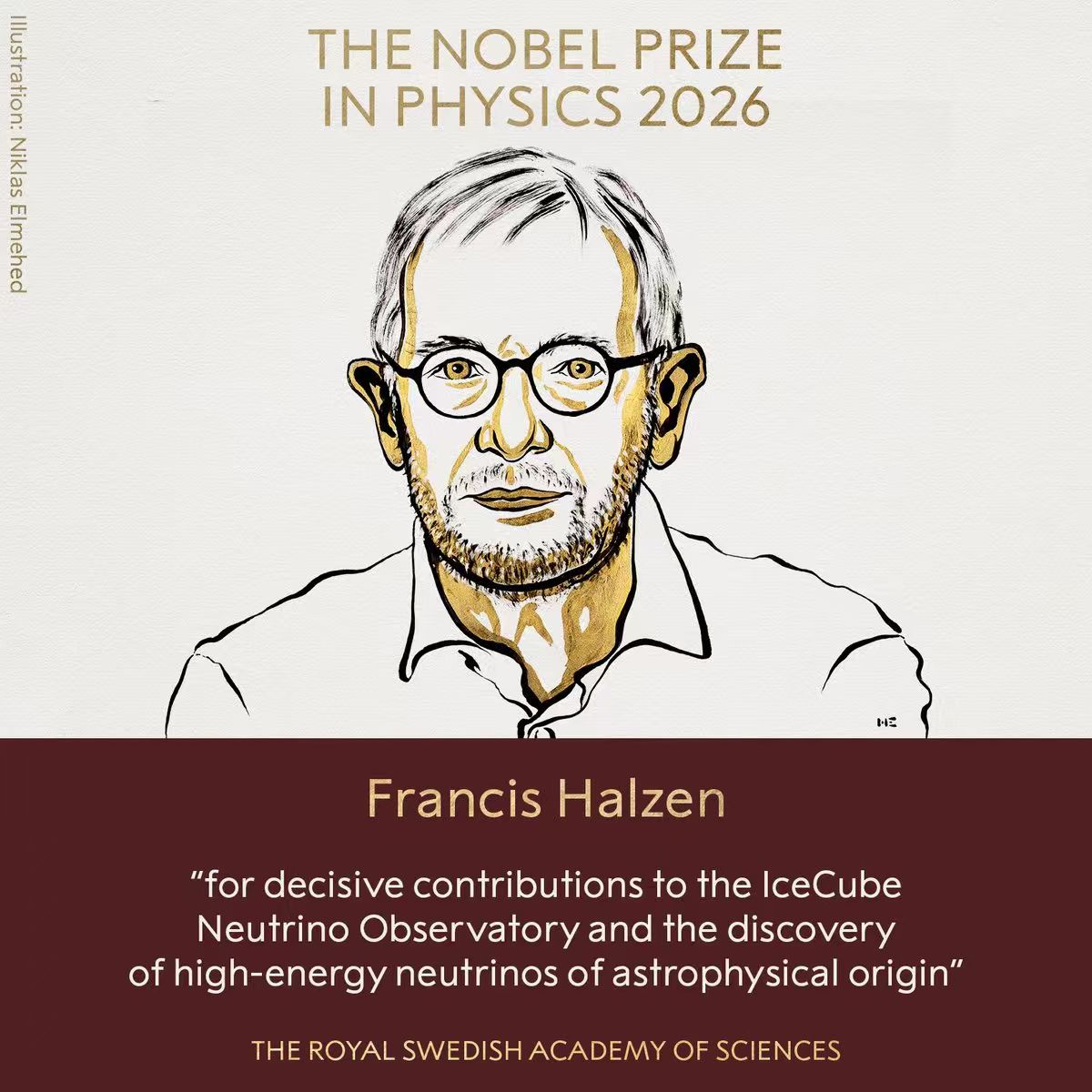
The 2026 Nobel Prize in Physics has been awarded to Francis Halzen for his decisive contributions to the IceCube Neutrino Observatory and the discovery of high-energy neutrinos of astrophysical origin, the Royal Swedish Academy of Sciences announced Tuesday. Halzen, a professor at the University of Wisconsin–Madison, was recognized for his pioneering work in neutrino physics and his leadership in developing IceCube, the world’s largest neutrino observatory. According to the Nobel Prize website, Halzen realized that the ice at the South Pole could be used to detect neutrinos, subatomic particles that can travel vast cosmic distances with little interaction with matter. His vision and scientific leadership were fundamental to the development of IceCube, a cubic-kilometer detector embedded in the Antarctic ice and equipped with light sensors. The observatory enables researchers to detect neutrinos generated by some of the most energetic processes in the distant universe, providing a new way to study cosmic phenomena beyond the reach of conventional astronomical observations. From Belgium to the South PoleBorn on March 23, 1944, in Tienen, Belgium, Halzen is a Belgian particle physicist and currently serves as the Hilldale and Gregory Breit Distinguished Professor of Physics at the University of Wisconsin–Madison. He also directs the university’s Institute for Fundamental Particle Physics Research and has served as the principal investigator of the IceCube project at the Amundsen–Scott South Pole Station in Antarctica. IceCube began operating in 2010. Halzen grew up in Belgium and studied physics at the University of Leuven, earning his master’s degree in 1966 and his PhD in 1969. He received a higher teaching qualification in 1972. From 1969 to 1971, he worked as a research associate at CERN. He joined the University of Wisconsin–Madison in 1972 and has remained there throughout his academic career. He has also played a leading role in the AMANDA and IceCube projects. A career spanning cosmic rays and particle astrophysicsSince the 1970s, Halzen has been a leading figure in the development of cosmic-ray physics and astroparticle physics. His research has extended beyond particle physics to include cosmic-ray anomalies and quark matter, the connections between particle physics and cosmic rays, particles originating from supernovae, and muon production in atmospheric gamma-ray showers. His work has helped establish neutrinos as a powerful tool for investigating some of the most energetic and distant phenomena in the universe, while bridging particle physics, astrophysics and cosmology.
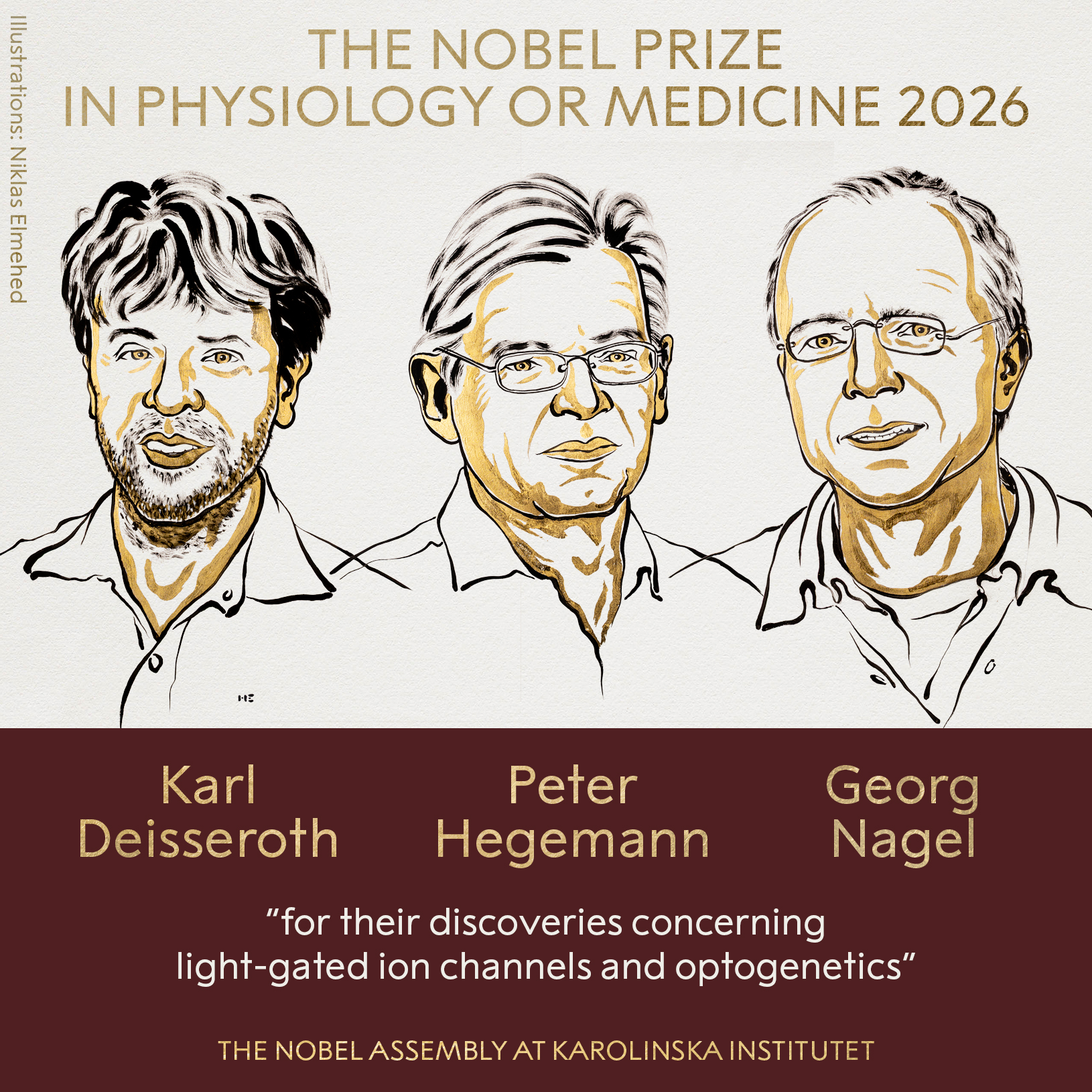
The 2026 Nobel Prize in Physiology or Medicine has been awarded to Karl Deisseroth(The Howard Hughes Medical Institute and Stanford University), Peter Hegemann(Humboldt University of Berlin) and Georg Nagel(University of Würzburg) for their groundbreaking discoveries concerning light-gated ion channels and optogenetics, the Nobel Committee announced Monday. The three scientists were recognized for discoveries that have helped advance researchers’ ability to control and study the activity of cells using light, opening new avenues for research in neuroscience and other fields of biomedicine. The Nobel Foundation also announced in September that the monetary award for each of the 2026 Nobel Prizes would be increased to SEK 12 million (approximately RMB 8.01 million), up from SEK 11 million (approximately RMB 7.34 million) in previous years. The SEK 1 million increase represents a rise of about 9 percent. The prize is the first of the 2026 Nobel awards to be announced, with the remaining prizes to be unveiled in the coming days.
The Royal Academy of Engineering has elected 75 leading figures in engineering and technology to its Fellowship, including a record 24 women, as the UK institution marks its 50th anniversary. The new Fellows were elected at the Academy’s Annual General Meeting on 23 September. The 2026 cohort includes 10 International Fellows and five Honorary Fellows. The new Fellows work across areas including clean energy, artificial intelligence, medicine and public health, as well as academia, industry and public policy. The Academy said they have contributed to widening participation in engineering, particularly among groups underrepresented in the profession, and have provided technical expertise to policymakers. “This year’s cohort will be joining a community of over 1,700 top engineers and innovators in the UK and around the world,” said Sir John Lazar, president of the Royal Academy of Engineering. “Together, we ensure that bright ideas are supported, scaled and shared, turning ambition into innovation and innovation into impact. We aim to strengthen education, skills and inclusion to inspire and equip the engineers of today and tomorrow.” The University of Manchester, University College London (UCL), and Imperial College London lead the list, with four newly elected Fellows each. They are followed by the University of Cambridge and the University of Sheffield, with three Fellows each. The complete list of Fellows elected in 2026 (in alphabetical order) is as follows: Fellows (FREng): Professor Lourdes Agapito, Professor of 3D Vision, University College London; Co-Founder, Synthesia Dr Rachael Ambury, Vice President of Research, De Beers Group Mark Apsey MBE, Chief Executive Officer, CivicNetZero Kirsty Armer, Non-Executive Director, AWE plc; Lay Member of Council, Lancaster University; Visiting Professor, Dalton Nuclear Institute, University of Manchester; Trustee and Director, The Nuclear InstituteWill Arnold, Head of Sustainable Materials, Useful Simple Trust Professor David Barber, Director, UKRI Science of Fundamental AI Research Lab, University College London Dr Arnab Basu MBE DL, Chief Executive Officer, Kromek Group plc Dr Chan Boodhai, Former Chief Industry Officer, Sustainable Markets Initiative; former Senior Business Advisor to the Chair and CEO, bp Professor Martin Booth, Professor of Electrical Engineering, University of Oxford Dr Loubna Bouarfa, Founder, FactTrace.ai; Affiliated Lecturer, University of Cambridge; Member of the Board of Advisors, Oxford Internet Institute Professor Sir Nishan Canagarajah, President and Vice-Chancellor, University of Leicester David Coles, Chief Engineer, Department for Transport, UK government Fiona Cousins, Chief Operating Officer, Total Design, Arup Professor Richard Craster, Dean of Natural Sciences, Imperial College London Dr Gio Cristofoli, Regional President, Caspian Central Asia and Türkiye, bp Professor Peter Cummings, Bicentennial Professor, Heriot-Watt University Professor Richard Curry, Associate Vice-President Research and Innovation and Professor of Advanced Electronic Materials, University of Manchester Professor Dina D’Ayala, UNESCO Chair in Disaster Risk Reduction and Resilience Engineering, University College London Professor Dino Distefano, Research Engineer, Anthropic; Professor of Software Verification, Queen Mary University of LondonProfessor Alastair Donaldson, Professor of Programming Languages, Department of Computing, Imperial College London Tim Dugher, Trustee, Science Museum Group; Director, Porterbrook Leasing Ltd Stuart Ellis, Director of Technical and Safety Assurance, Head of the Engineering Fellowship, Rolls-Royce plc Professor Barbara Evans, Professor of Public Health Engineering, University of Leeds Professor Paul Stephen Fennell, Professor of Clean Energy, Imperial College London Professor Danielle George CBE, Chief Scientific Adviser National Security, GCHQ; Professor of Radio Frequency Engineering, University of Manchester Professor Beverley Gibbs, Vice-President and President-Elect, Engineering Professors’ CouncilProfessor Robert Henderson FRSE, Professor of Electronic Imaging, University of Edinburgh Nigel Hirst, Chair, Haden Freeman Ltd Professor Cathy Holt FLSW, Professor of Biomechanics and Orthopaedic Engineering, Director of Musculoskeletal Biomechanics Research Facility and Arthritis UK Biomechanics and Bioengineering Centre, School of Engineering, Cardiff University Keith Hutchinson, Head of Professional Technical and Engineering Services, and Senior Consultant Whole Ship Design and Naval Architecture, Safinah Lila Ibrahim, Chief AI Readiness Officer, Google DeepMind Dr Nick Johnson, Owner, GoodSportsSoftware; Founder and Chief Technology Officer, ip.access Ltd Gareth Jones, Group Engineering Director, BAE Systems Professor Clemens Kaminski, Professor of Chemical Physics and Head of Department, Department of Chemical Engineering and Biotechnology, University of Cambridge Julian Leslie, Director of Strategic Energy Planning and Chief Engineer, National Energy System Operator Neil Mantle, Director of Engineering, Technology, Safety and Quality, Rolls-Royce plc Professor Mercedes Maroto-Valer OBE FRSE, Buchan Chair in Sustainable Energy Engineering, Heriot-Watt University Professor James Marshall, Director, Centre for Machine Intelligence, University of Sheffield; Founder Science Officer, Opteran Technologies Ltd Vice Admiral Paul Marshall CB CBE, Director General, Portfolio and Plans, National Armaments, Ministry of Defence Professor Rob Maunder, Founder and Chief Technical Officer, AccelerComm; Professor, University of Southampton Mark Francis McAllister, Chair, Ofgem Professor Duncan McFarlane, Professor of Industrial Information Engineering, University of Cambridge Professor Tom Melham FRSE, Professor of Computer Science, University of Oxford Alison Norrish, Design Director and Fellow, ArupProfessor Alan Partridge, Director of the Defence Materials Centre of Excellence, Sir Henry Royce Institute, University of Manchester Professor Ian Reaney, Professor and Dyson Chair in Ceramics, University of Sheffield Professor Jhuma Sadhukhan, Co-Director of Global Center for Sustainable Bioproducts, University of Surrey Dr Nina Maria Skorupska CBE, Non-Executive Director, GB Energy and Royal BAM Group Professor Raul Vázquez Diaz, Senior Fellow in Fluid Mechanics, Rolls-Royce plc Dr Dan Walker, President, Ocean Infinity Professor Jun Wang, Professor, Department of Computer Science, University College London Professor Meihong Wang, Professor of Process and Energy Systems Engineering, University of SheffieldDr Pengzhu Wang, Senior Consultant, Tension Technology International; Visiting Professor, China University of Mining and Technology Professor Paul Wilcox, Professor of Dynamics, School of Electrical, Electronic and Mechanical Engineering, University of Bristol Professor Jianping Wu, Professor, Tsinghua University Professor Jianzhong Wu FLSW, Professor of Multi Vector Energy Systems and Pro-Vice-Chancellor (Research), University of Bath Professor Anatoly Zayats, Professor of Experimental Physics, King’s College London Professor Lidija Zdravkovic, Professor of Computational Geomechanics, Imperial College London Professor Michalis Zervas, Professor in Photonics, Optoelectronics Research Centre, University of Southampton Professor Jie Zhang, Co-Founder and Chief Scientific Officer, Ranplan Wireless Network Design LtdInternational Fellows: Professor Anjan Bose, Regents Professor, Washington State University, US Professor Efi Foufoula-Georgiou, Distinguished Professor and Samueli Endowed Chair in Engineering, University of California, Irvine, US Professor Ignacio Grossmann, R.R. Dean University Professor of Chemical Engineering, Carnegie Mellon University, US Dr Selda Gunsel, Chief Technology Officer and Executive Vice-President for Technology, Shell plc, US Professor Sue Harrison, Deputy Vice-Chancellor, Research and Innovation, University of Queensland, Australia; Emeritus Professor, University of Cape Town, South Africa Dr Frank Haselbach, Senior Vice-President, Head of Propulsion Engineering, Airbus, France Professor Dorothy Okello, Dean, School of Engineering, Makerere University, Uganda Professor Ramesh Ramamoorthy, Professor of Materials Science and Engineering, University of California, Berkeley, US Professor John Rogers FRS, Louis Simpson and Kimberly Querrey Professor, Northwestern University, US Professor Moshe Yaakov Vardi FRS, University Professor and George Distinguished Service Professor in Computational Engineering, Rice University, USHonorary Fellows: Katherine Bennett CBE, Chief Executive Officer, High Value Manufacturing Catapult Saul Klein OBE, Co-Founder and Chair, Phoenix Court Professor Desta Mebratu HonFRS, Research Fellow, Centre for Sustainability Transition, Stellenbosch University, South Africa Professor Sile O’Modhrain, Professor in Performing Arts Technology, University of Michigan, US Dame Hayaatun Sillem DBE, Founder and Chief Executive Officer, Argentic AssociatesAbout the Royal Academy of EngineeringFounded in 1976 and based in London, the Royal Academy of Engineering is the UK’s national academy for engineering. It brings together leading engineers and technology experts to advance engineering, promote innovation and inform policy. The Academy focuses on strengthening engineering capability, supporting engineering talent and promoting innovation across the sector. Its Fellowship includes experts working across fields ranging from artificial intelligence and advanced technologies to satellite navigation and healthcare. The Academy marks its 50th anniversary in 2026.
LONDON, Sept. 17, 2026 — Clarivate has announced its 2026 Citation Laureates, recognizing 22 researchers whose highly influential work spans physiology or medicine, physics, chemistry and economics. Selected by experts at Clarivate’s Institute for Scientific Information (ISI), the Citation Laureates are recognized for pioneering contributions considered to be of Nobel stature and for research that has helped shape the future of science and society. Since the program was established in 2002, 89 Citation Laureates have subsequently received Nobel Prizes, making the recognition a closely watched indicator of research that may later receive the world's highest scientific honors. Clarivate’s selection combines citation analysis with expert assessment of researchers whose work has demonstrated exceptional influence within their fields. The 2026 laureates are affiliated with leading institutions across seven countries and regions. Sixteen are based in the United States, while Canada, Denmark, Israel, Japan, Mainland China and Switzerland each have one laureate. Physiology or MedicineDaniel J. Drucker — Lunenfeld-Tanenbaum Research Institute at Sinai Health, Canada; Jens Juul Holst — University of Copenhagen, Denmark; and Svetlana Mojsov — Rockefeller University, United States, were recognized for the identification and characterization of glucagon-like peptide-1 (GLP-1) and studies of its biological activity. James G. Fujimoto and Eric A. Swanson — Massachusetts Institute of Technology; and David Huang — Casey Eye Institute, Oregon Health & Science University, United States, were recognized for the development of optical coherence tomography, an imaging technology used in medicine and biomedical research. Timothy A. Springer — Boston Children’s Hospital and Harvard Medical School, United States, was recognized for identifying key adhesion receptors in the immune system. PhysicsChihaya Adachi — Kyushu University, Japan; Stephen R. Forrest — University of Michigan, United States; and Mark E. Thompson — University of Southern California, United States, were recognized for pioneering research on phosphorescent organic light-emitting diodes (PHOLEDs) and thermally activated delayed fluorescence (TADF), contributing to highly efficient organic light-emitting diodes. Nicola A. Spaldin — ETH Zurich, Switzerland, was recognized for theoretical work leading to the development of room-temperature magnetoelectric multiferroics, opening new possibilities for energy-efficient electronic devices. Qikun Xue — Southern University of Science and Technology and Tsinghua University, Mainland China, was recognized for the experimental observation of the quantum anomalous Hall effect. ChemistryDavid L. Allara — Pennsylvania State University; Ralph G. Nuzzo — University of Illinois Urbana-Champaign; and Jacob Sagiv — Weizmann Institute of Science, Israel, were recognized for the development of self-assembled monolayers (SAMs). Harry B. Gray and Jay R. Winkler — California Institute of Technology, United States, were recognized for advancing understanding of long-range electron transfer in proteins. David R. Liu — Harvard University, Broad Institute and Howard Hughes Medical Institute, United States, was recognized for developing base editing and prime editing, precision gene-editing technologies that can directly modify DNA in living systems and have opened new possibilities for programmable medicines. EconomicsSusan C. Athey — Stanford Graduate School of Business, Stanford University, and Hal R. Varian — University of California, Berkeley, United States, were recognized for pioneering research on the economics of information technology. Michael D. Woodford — Columbia University, United States, was recognized for contributions to the theory and practice of monetary policy. Sidney G. Winter — The Wharton School, University of Pennsylvania, United States, was recognized for research on economic dynamism and organizational behavior inspired by evolutionary theory. A Global Cohort of Highly Cited ResearchersThe 2026 Citation Laureates represent a broad range of institutions and research traditions, while their work addresses areas with significant implications for medicine, technology, energy efficiency, genetics and the global economy. The cohort includes researchers behind foundational advances in GLP-1 biology, optical imaging, immune-system receptors, OLED technology, quantum physics, self-assembled materials, precision gene editing, information economics and monetary policy. Clarivate’s Citation Laureates program is based on highly cited research identified through the Web of Science Core Collection, combined with expert analysis from ISI. Clarivate says the program has identified more than 450 laureates since its inception, with 89 subsequently receiving Nobel Prizes.
The International Balzan Foundation has announced the winners of its annual Balzan Prizes, recognizing five individuals and groups for contributions spanning digital technology, molecular evolution, Jewish studies, sustainable materials and humanitarian work. Maria Cristina Messa, President of the International Balzan Foundation–Prize, and Marta Cartabia, Chair of the Balzan General Prize Committee, announced the winners. Four annual prizes were awarded in the physical and natural sciences and the humanities, alongside the special Prize for Humanity, Peace and Fraternity among Peoples. Each annual Balzan Prize carries an award of 750,000 Swiss francs, with half of the prize money required to support research projects involving young scholars and scientists. The special humanitarian prize also carries an award of 750,000 Swiss francs. Digital Technology and Molecular Evolution RecognizedElena Esposito of the University of Bologna and Bielefeld University received the prize for The Social Science of Digital Technology. Esposito was recognized for her theoretical work on the social science of digital technology, particularly her concept of “artificial communication,” which examines how algorithms can participate in social exchange without possessing human-like understanding. The committee also highlighted her empirical research into algorithmic prediction in areas including finance, medicine and public policy, describing her work as providing a framework for examining the growing role of artificial intelligence and algorithmic systems in society. The prize for Molecular Evolution: Decoding Patterns of Genomic Change was awarded jointly to Rasmus Nielsen of the University of California, Berkeley, and Ziheng Yang of University College London. Their research combines statistical theory, computational methods and genomic analysis to investigate how natural selection shapes genes and populations. Their work has also contributed widely used computational tools for studying evolutionary adaptation. Jewish Studies and Sustainable MaterialsDavid Nirenberg of the Institute for Advanced Study in Princeton received the Balzan Prize for Jewish Studies. The award recognizes his scholarship on Judaism, anti-Judaism and the historical relationships among Jews, Christians and Muslims. The committee highlighted his interdisciplinary research, extensive use of multilingual sources and analysis of the relationship between violence and tolerance. The prize for Biodegradable Polymers from Renewable Sources was awarded jointly to Geoffrey W. Coates of Cornell University and Marc A. Hillmyer of the University of Minnesota. Their collaborative research has advanced the development of sustainable polymers through molecular design and catalysis, including materials derived from renewable feedstocks and recovered carbon dioxide. Their work has helped move discoveries in sustainable polymer chemistry from fundamental research toward industrial materials and technologies. Interdisciplinarity Central to Prize SelectionThe Balzan Foundation said the selection of the annual prizes is based on the validity, contemporary relevance and coherence of research, as well as specific contributions to understanding the world and advancing knowledge across national and disciplinary boundaries. Interdisciplinarity is a central criterion of the Balzan Prize. The Foundation said meaningful exchanges across fields are essential to addressing complex challenges facing both society and the natural world. The four annual prize fields are selected anew each year by the General Prize Committee. Two are drawn from literature, moral sciences and the arts, while two are selected from physical, mathematical and natural sciences and medicine. The rotating approach is intended to provide opportunities to recognize emerging or developing areas of research. Each annual prize is worth 750,000 Swiss francs, with 50% earmarked for research projects involving younger researchers. Emergency Response Rooms Receives Humanitarian PrizeThe special Prize for Humanity, Peace and Fraternity among Peoples was awarded to Emergency Response Rooms (ERR) in Sudan for outstanding humanitarian work. The prize is awarded at intervals of no less than three years to individuals or organizations that have demonstrated exceptional commitment to humanitarian causes. Like the annual Balzan Prizes, the award carries a value of 750,000 Swiss francs. The recognition brings humanitarian work alongside the Foundation’s research prizes, highlighting the Balzan Foundation’s broader focus on contributions that address major challenges facing humanity. The 2026 winners reflect the Balzan Foundation’s emphasis on research that crosses disciplinary boundaries while addressing scientific, social and humanitarian questions of contemporary relevance.
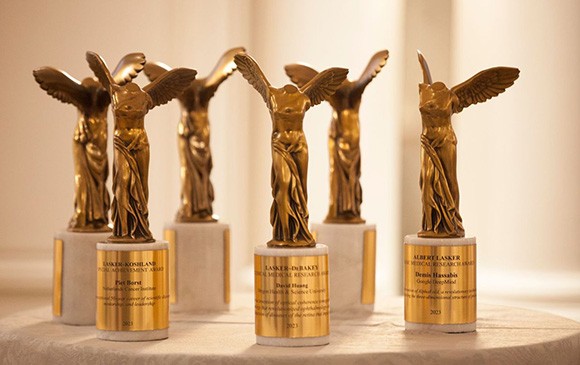
The 2026 Lasker Awards, widely regarded as one of the most prestigious honors in biomedical science and often described as a “bellwether for the Nobel Prize,” have officially been announced. This year’s laureates are being recognized for groundbreaking contributions spanning the biology of sleep, the treatment of hemophilia A, and efforts to accelerate research into Parkinson’s disease. 2026 Albert Lasker Basic Medical Research AwardEmmanuel Mignot of Stanford University and Masashi Yanagisawa of the University of Tsukuba have been honored for identifying orexin, a brain peptide that promotes and maintains wakefulness, and for discovering that orexin deficiency causes the uncontrolled sleep characteristic of narcolepsy. Their work revealed a fundamental mechanism underlying sleep and opened an entirely new field of research into the biology of sleep. The discovery of orexin and its role in narcolepsy came as a complete surprise, with no prior knowledge or hypothesis pointing directly toward the finding. It stands as a classic example of scientific reinvention—an unexpected discovery that fundamentally reshaped understanding of one of the most basic aspects of human biology. Sleep, alongside food and sex, is one of the three fundamental pillars of human existence. The discovery of the orexin system has also led to important therapeutic advances. Several drugs that block orexin receptors have been approved to treat insomnia, while an orexin receptor-2 agonist for narcolepsy has reached late-stage development. 2026 Lasker–DeBakey Clinical Medical Research AwardKunihiro Hattori, Tomoyuki Igawa and Takehisa Kitazawa of Chugai Pharmaceutical Co. in Tokyo have received the award for inventing a bispecific antibody that links blood-clotting Factors IX and X. The antibody restores the function normally provided by Factor VIII in patients with hemophilia A, thereby preventing the severe bleeding associated with the inherited disorder. The scientists’ vision, creativity and technical ingenuity led to the development of a Factor VIII-mimetic bispecific IgG antibody, Hemlibra® (emicizumab). The breakthrough represents a striking example of scientific reimagination, fundamentally reframing conventional approaches to hemophilia treatment. Historically, treatment relied on plasma replacement and/or plasma-derived Factor VIII concentrates. Many patients subsequently developed hepatitis, HIV infection and/or neutralizing antibodies against Factor VIII, while bleeding was often inadequately controlled. Hemlibra® transformed the treatment landscape. It became the first bispecific IgG antibody approved by the U.S. Food and Drug Administration (FDA) for therapeutic use in 2017 and has virtually eliminated bleeding in many patients with hemophilia A, including those who have developed Factor VIII inhibitors. The treatment has since been approved in more than 120 countries and has improved the quality of life of more than 30,000 people worldwide. 2026 Lasker–Bloomberg Public Service AwardThe Michael J. Fox Foundation for Parkinson’s Research has been honored for amplifying the voices of patients and accelerating research aimed at developing better therapies and ultimately finding a cure for Parkinson’s disease. The award recognizes the foundation’s role in bringing patients, scientists, clinicians, industry leaders and donors together in the search for new treatments. As a young actor, Michael J. Fox rose to international stardom through his leading roles in the Back to the Future film trilogy (1985–1990) and the hit NBC sitcom Family Ties (1982–1989). In 1990, at the age of 29, he was diagnosed with Parkinson’s disease. He publicly disclosed his diagnosis in 1998, helping challenge the stigma surrounding the disease. In 2000, Fox established the Michael J. Fox Foundation for Parkinson’s Research. The organization has since become a major force in Parkinson’s research, mobilizing scientists, clinicians, industry leaders, philanthropists and patients around the shared goal of developing new therapies and, ultimately, finding a cure. More than 1 million people in the United States are living with Parkinson’s disease. Approximately 1% of adults aged 60 and older are affected, with prevalence rising to about 3% among people aged 80. The Michael J. Fox Foundation is now the world’s largest nonprofit/private funder of Parkinson’s research, having awarded approximately $3 billion in research grants to date. Its annual research funding exceeds that of the U.S. government. Beyond its role as a major funder, the foundation has also become a key coordinator of Parkinson’s clinical research, helping recruit and engage volunteers for clinical trials. Why the Lasker Awards MatterEstablished in 1946, the Lasker Awards are among the most prestigious honors in biomedical science in the United States. They recognize scientists, physicians and public-service leaders whose work has made major contributions to medicine and human health. The awards traditionally span several categories, including the Albert Lasker Basic Medical Research Award, the Lasker–DeBakey Clinical Medical Research Award, the Lasker–Bloomberg Public Service Award, and the Lasker Special Achievement Award in Medical Science. The Lasker Awards are also closely watched because of their strong track record of recognizing scientists who later receive the Nobel Prize. Over the past two decades, more than 30 Lasker laureates have subsequently gone on to win a Nobel Prize. A notable recent example is Demis Hassabis and John Jumper, whose work on AlphaFold earned them the 2023 Lasker Basic Medical Research Award. Just one year later, they were awarded the 2024 Nobel Prize in Chemistry. For this reason, the Lasker Awards are often viewed as an important indicator of scientific breakthroughs that may go on to receive the field’s highest international recognition.
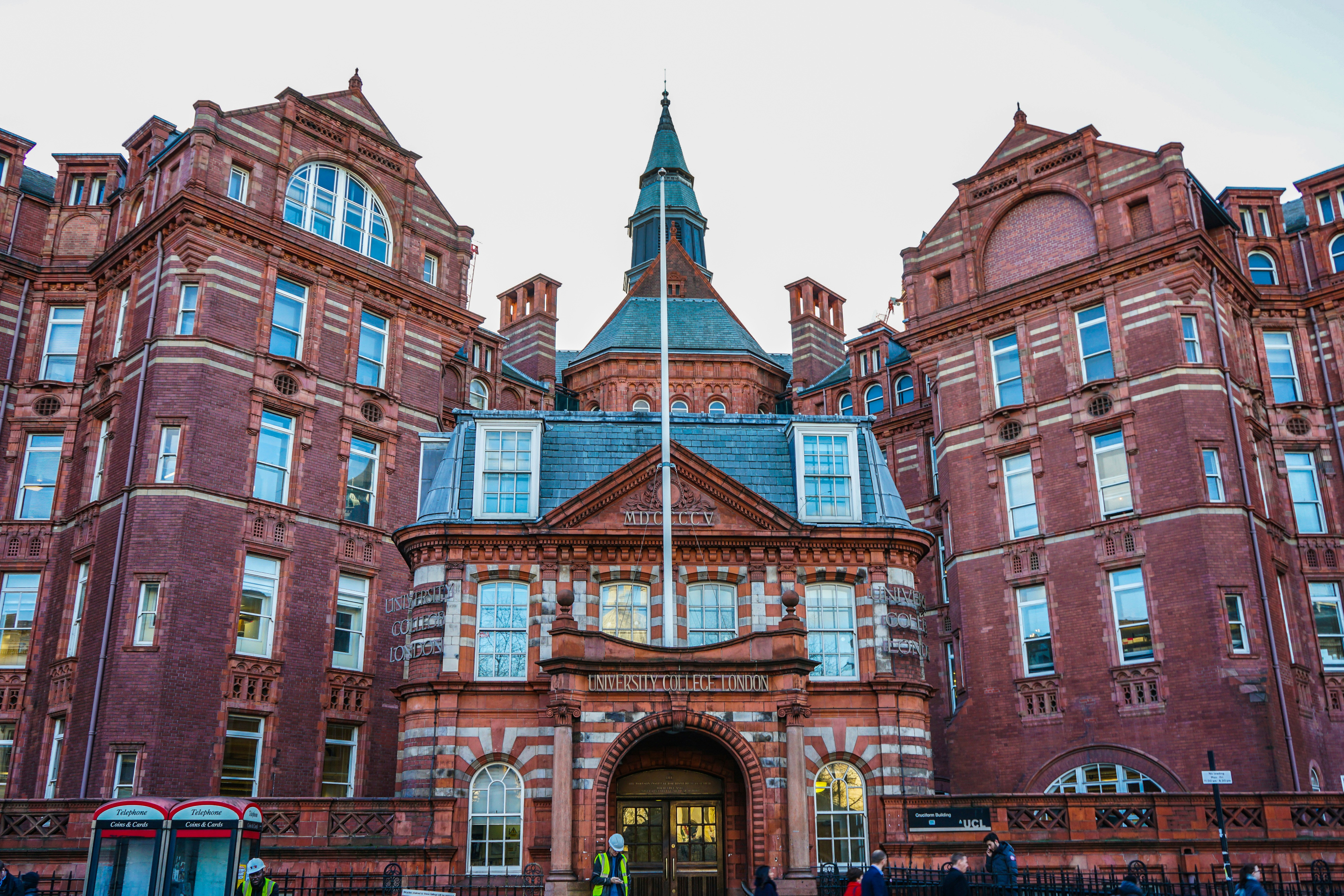
The Academy of Social Sciences has elected 74 new Fellows for 2026, with the cohort representing 38 UK organizations and a wide range of social science disciplines. The new Fellows include academics and practitioners working in universities, think tanks, research institutes and public research organizations in the UK and overseas. Their areas of expertise include digital democracy, environmental sustainability, global justice, mental health and wellbeing, and social inequalities, with work spanning research as well as policy, public services, industry and civil society. The 2026 cohort also reflects the international reach of the social sciences, with Fellows affiliated with organizations in Canada, China, Hong Kong, Macau and New Zealand, alongside institutions across the UK. Will Hutton FAcSS, president of the Academy of Social Sciences, said the new Fellows included some of the most influential voices in contemporary social science. “Their work is expanding knowledge, challenging assumptions and generating insights that are informing and even redefining decision making across government, business, education and civil society,” Hutton said. He added that the Academy would work with the new Fellows to increase the visibility and impact of the social sciences in the UK and internationally. Universities Dominate the 2026 CohortUniversities account highlighting their central role in social science research and expertise. University College London leads with five newly elected Fellows, followed by the University of Manchester with four. King’s College London, the London School of Economics and Political Science, Newcastle University, the University of Cambridge, the University of Glasgow and the University of Southampton each have three. The cohort spans economics, sociology, political science, law, accounting, psychology, geography, education, public policy and sustainability, reflecting the breadth of contemporary social science research. The Fellowship also extends beyond universities. Among the new Fellows are representatives of organizations including the Resolution Foundation, UK Research and Innovation and the European Trade Union Institute. Internationally, the cohort includes scholars affiliated with Nanjing Normal University, The Hong Kong University of Science and Technology, Sun Yat Sen University and the University of Macau, as well as institutions in Canada and New Zealand. Fellowship Recognizes Excellence and Public ImpactThe Academy of Social Sciences has approximately 1,750 Fellows working across academia, the public sector, private organizations and the third sector. Fellows are elected through an independent peer-review process in recognition of excellence in their fields and significant contributions to social science and its wider public benefit. The 2026 cohort includes researchers whose work addresses major questions facing societies and economies, from the impact of digital technologies on democracy to environmental and economic pressures, health and wellbeing, and social inequality. 2026 New FellowsThe full list of the 74 newly elected Fellows is as follows:


Data & Rankings
Data & Rankings
Data & Rankings
Data & Rankings
Data & Rankings