
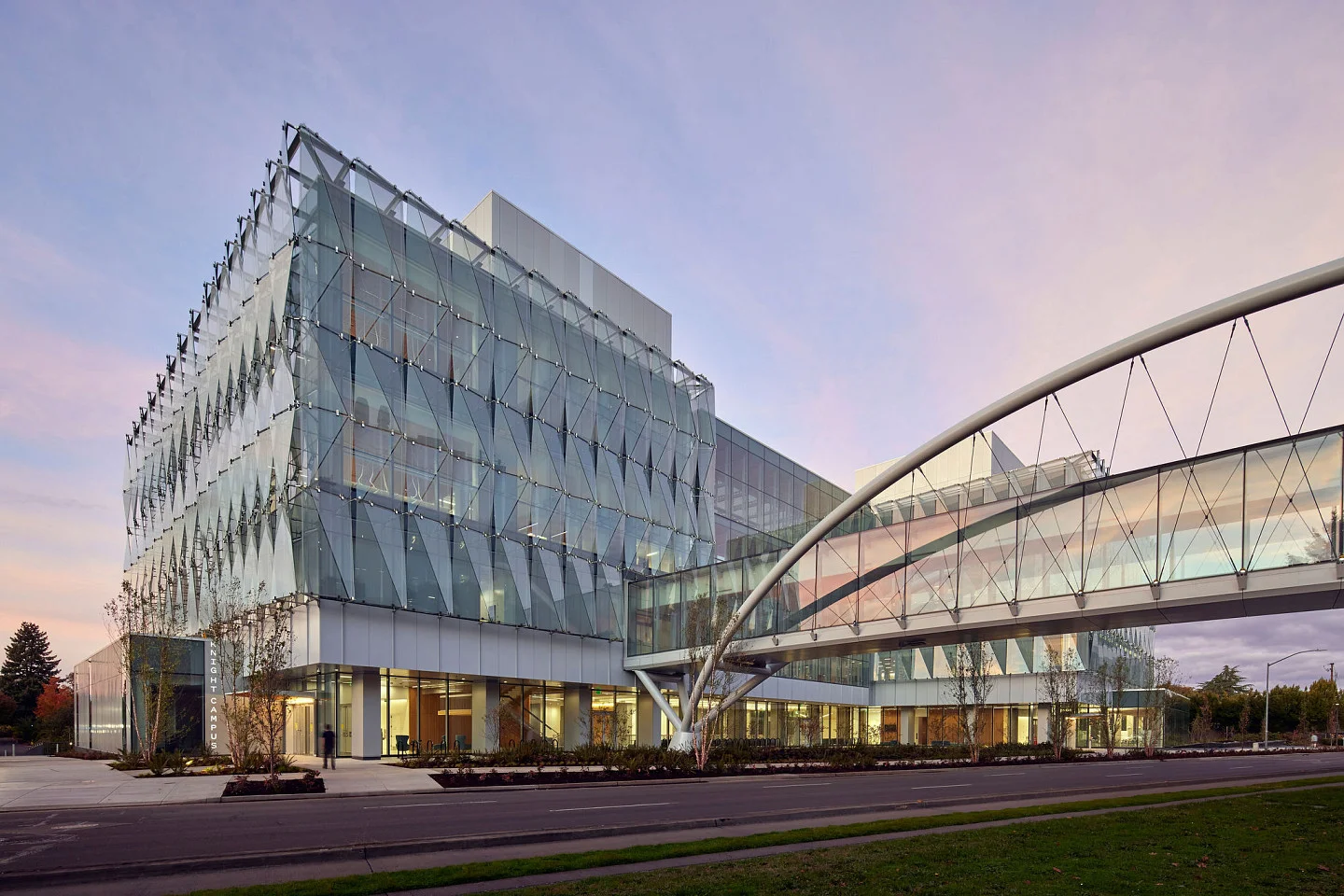
Phil and Penny Knight have pledged $1 billion to the University of Oregon to establish a new College of Engineering, in what the university says is the largest gift ever made to a comprehensive public university. The proposed college will be based at the Phil and Penny Knight Campus for Accelerating Scientific Impact and will train engineers and applied scientists in bioengineering and other high-demand fields. The university said the investment will expand engineering education, help attract faculty and researchers, and strengthen its ability to translate scientific discoveries into products, therapies, technologies and new companies. “This is a scale that is genuinely hard to take in,” University of Oregon president Karl Scholz said, noting the Knights’ long-standing support for the university. The latest commitment follows two previous $500 million gifts from the Knights, in 2016 and 2021, which established and expanded the Knight Campus. Those investments subsequently attracted additional support from state and industry partners, foundations and other donors. Since its creation, the Knight Campus has established the university’s first engineering department and graduated the first engineers in the university’s history. It now has 17 research laboratories involving more than 500 students and trainees each year. The campus has also reported strong outcomes for its graduate programmes. Around 40% of its graduate students have won National Science Foundation fellowships, compared with a national average of about 15%, while its master’s internship programme has recorded graduation and placement rates above 90%. The campus has also developed an entrepreneurship ecosystem through incubator laboratories, corporate partnerships and access to capital. It has supported more than a dozen student- and faculty-led startups, including Penderia Technologies, VivoTex and restor3D. The proposed College of Engineering will build on this infrastructure while adopting an interdisciplinary model. Bioengineering will combine engineering with basic sciences, data science and medicine, while students will receive training in communication, entrepreneurship and ethics alongside technical subjects. Innovation will also be incorporated into faculty tenure and promotion criteria, according to the university. Bob Guldberg, vice-president and executive director of the Knight Campus, said the proposed college would extend the campus’s original focus on translating university research into real-world applications. The investment comes amid growing demand for engineering talent across sectors including biotechnology, semiconductors, life sciences, advanced materials, manufacturing, sports performance and artificial intelligence. A 2026 report from the US National Science Foundation and Bureau of Labor Statistics said employment in science, technology, engineering and mathematics occupations is projected to grow at three times the rate of other occupations, with science and engineering among the fastest-growing fields. Oregon expects about 2,500 engineering job openings each year, according to the university, while employers report that engineering positions are among the hardest roles to fill. The state is also a major semiconductor hub, accounting for nearly one-tenth of the US semiconductor workforce. However, Oregon trains fewer workers for the sector relative to the size of its semiconductor industry than other major semiconductor states, the university said. The University of Oregon estimates that it contributes $3.7 billion annually to the state economy. The Knight Campus accounted for more than $160 million of that impact in fiscal year 2024, before the opening of its second building. The university will establish the new college and its degree programmes through the appropriate state and shared-governance processes. The proposal forms part of the university’s Oregon Rising strategic plan, which aims to strengthen distinctive research areas, prepare students for high-demand careers and increase the impact of research on the state. The Knights’ latest gift continues a relationship with the University of Oregon spanning more than five decades. Phil Knight, who graduated from the university before co-founding Nike, and Penny Knight have supported a range of university initiatives, including the Knight Law Center, Knight Library, endowed professorships and the Knight Campus.

The University of California, Los Angeles (UCLA) received $746 million in philanthropic donations during the 2025–26 academic year, with funding supporting student scholarships, research, industry partnerships and healthcare initiatives across the university. The university received 67,096 gifts during the fiscal year, with contributions coming from all 50 US states and 65 countries. While UCLA secured 19 individual gifts of $5 million or more, 93% of donations were below $10,000, highlighting the breadth of its donor base. The fundraising figures were released during Chancellor Julio Frenk’s first full academic year at UCLA, as the university develops his “One UCLA” vision, which places emphasis on collaboration across education, research and public service. “This reflects confidence in our mission, trust in our institution and a shared commitment to the future we are building,” Frenk said. Student support and scholarshipsStudent financial support remained a major focus of philanthropic giving. Donors established 122 new scholarships and fellowships during the year, including a $4.2 million bequest from the estate of Gertrude Pomish, a former public school teacher. The gift will expand the existing Gertrude T. Pomish Scholarship Fund, increasing both the number of recipients and the value of individual awards. UCLA also reported that its annual Bruin Giving Day campaign in April attracted more than 3,400 donors and raised more than $2.6 million. Research and industry partnershipsResearch and faculty support accounted for 68% of UCLA’s fundraising during the fiscal year, with donations supporting programmes and research across the university. One of the largest research-related initiatives was a $125 million Semiconductor Hub launched by the UCLA Samueli School of Engineering in partnership with major technology companies including Broadcom, Applied Materials, GlobalFoundries, Meta and Synopsys. The initiative contributed to a 65% increase in corporate giving compared with the previous year, according to UCLA. The university also received 13 gifts to establish new endowed faculty chairs. Among them was a $5 million gift from Kenneth C. Griffin to support research and initiatives in fusion science and engineering, while a $2 million gift established the Nancy and Leslie Abell Family Chair in Employment and Labor Law at UCLA School of Law. The growing role of industry-supported research reflects a wider trend among research-intensive universities to develop partnerships with companies in strategically important fields, including semiconductors, advanced technologies and clean energy. Major investments in healthcareHealthcare and biomedical research were another major area of philanthropic support. Laurie and Steven C. Gordon and their family foundation committed $20 million to Ronald Reagan UCLA Medical Center to support renovations and expand critical and acute care capacity. The investment is expected to increase the number of beds for adults and children requiring such care by 23%. A further $31 million commitment from Allen and Charlotte Ginsburg and their research foundation will support the David Geffen School of Medicine and UCLA Research Park, with funding directed towards biomedical research, laboratory infrastructure and the development of future research leaders. Mental health also emerged as a significant area of investment. Stewart and Lynda Resnick donated $100 million to expand mental and behavioural health services at UCLA Health and support completion of the UCLA Resnick Mental Health Campus in Los Angeles. UCLA said the gift represents the largest single donation to mental healthcare in the history of UCLA Health. The university also received a $33 million award from Ballmer Group to expand its work in youth mental health across Los Angeles. The funding will support academic and clinical training, increase the pipeline of mental health professionals and expand access to services. The initiative brings together expertise from UCLA’s Luskin School of Public Affairs, David Geffen School of Medicine and UCLA College, where the funding has supported the establishment of a Youth Behavioral Health Chair. “UCLA is grateful for the tremendous dedication and vision of our donors and volunteers,” said Rhea Turteltaub, UCLA’s vice chancellor for external affairs. “The mission-driven philanthropy in our community positions UCLA for an exciting and bold future.” The scale and diversity of UCLA’s fundraising during 2025–26 underscore the growing role of philanthropy in supporting major university priorities, from student access and faculty development to research infrastructure, industry collaboration and healthcare delivery.

Nearly $1.8 billion in research awards places UC San Diego among the strongest performers in US research funding, but the figures also highlight an emerging reality for universities: fewer grants, higher stakes and growing competition for strategic investment. While many US universities are bracing for an increasingly uncertain research funding environment, the University of California San Diego has reported one of the strongest years in its history for sponsored research. The institution secured $1.8 billion in research awards during fiscal year 2026, with federal agencies accounting for nearly two-thirds of the total. Yet behind the headline figure lies a trend that research leaders say is becoming increasingly familiar across the sector: universities are winning fewer awards overall, but those they do secure are significantly larger and more strategically focused. UC San Diego received 1,746 new awards, down from 1,925 the previous year, even as total award value increased. Federal funding rose 19 per cent year on year, representing 62 per cent of all sponsored research. The pattern reflects a research landscape in which governments, philanthropic organisations and industry are concentrating resources on larger, multidisciplinary projects designed to address national priorities ranging from biomedical innovation to artificial intelligence, climate resilience and advanced manufacturing. "In a time of disruption and uncertainty, these awards and the outcomes they generate reflect why sustained public and private investment in university research remains so important to discovery, economic growth and America's long-term leadership in innovation," said Chancellor Pradeep K. Khosla. For research-intensive universities, the changing funding profile presents both opportunities and challenges. Large awards provide institutions with the resources to pursue ambitious, long-term research agendas, but they also demand increasingly sophisticated collaboration across disciplines, stronger institutional research support and greater administrative capacity. Corinne Peek-Asa, UC San Diego's vice chancellor for research and innovation, said the university's latest results demonstrate its ability to compete successfully for these larger awards. "The increase in award dollars suggests that UC San Diego researchers are winning larger, highly competitive awards, even as the total number of new awards has declined slightly," she said. The university's largest awards illustrate where many of today's research investments are being directed. One of the biggest projects is a $25.8 million award from the US Advanced Research Projects Agency for Health (ARPA-H) to develop a fully functional 3D bioprinted human liver using patients' own cells. Led by engineering professor Shaochen Chen, the initiative combines expertise in bioengineering, regenerative medicine, surgery, imaging and artificial intelligence, reflecting the growing emphasis on convergence research. Another major award demonstrates how universities are increasingly expected to generate social as well as scientific impact. UC San Diego's Refugee School Impact programme received $19.7 million from the California Department of Social Services to coordinate educational and community support for refugee and newcomer families across the state through 2028. Meanwhile, the university's Scripps Institution of Oceanography secured $15 million from the Fund for Science and Technology, established through the estate of Microsoft co-founder Paul G. Allen, to expand ocean observation capabilities in poorly monitored regions. The project combines environmental DNA analysis with next-generation Deep Argo technologies to improve understanding of climate-driven changes in the world's oceans. Taken together, the projects reveal another defining characteristic of contemporary research funding: the growing diversity of sponsors. While federal agencies remain the dominant source of support, major investments increasingly come from state governments, philanthropic foundations and private-sector partners, creating a more complex but potentially more resilient funding ecosystem. Beyond these flagship awards, UC San Diego also expanded research in election integrity, substance-use disorders, neuroscience and clean-energy technologies. During FY2026, the university managed 5,591 active awards, spanning disciplines from political science and public health to astrophysics and nanoengineering. The results arrive at a pivotal moment for US higher education. Universities are facing heightened competition for federal grants while responding to evolving national priorities in health security, AI, energy transition and economic competitiveness. Success increasingly depends not simply on research excellence, but on the capacity to assemble interdisciplinary teams capable of addressing large-scale societal challenges. UC San Diego's latest figures therefore tell a story that extends well beyond one institution. They suggest that, even in a constrained funding environment, research universities with established strengths in collaboration, translational science and cross-sector partnerships remain well positioned to attract substantial investment. At the same time, the decline in the number of awards serves as a reminder that competition for research funding is becoming more concentrated, raising the stakes for universities seeking to sustain both research capacity and global competitiveness.
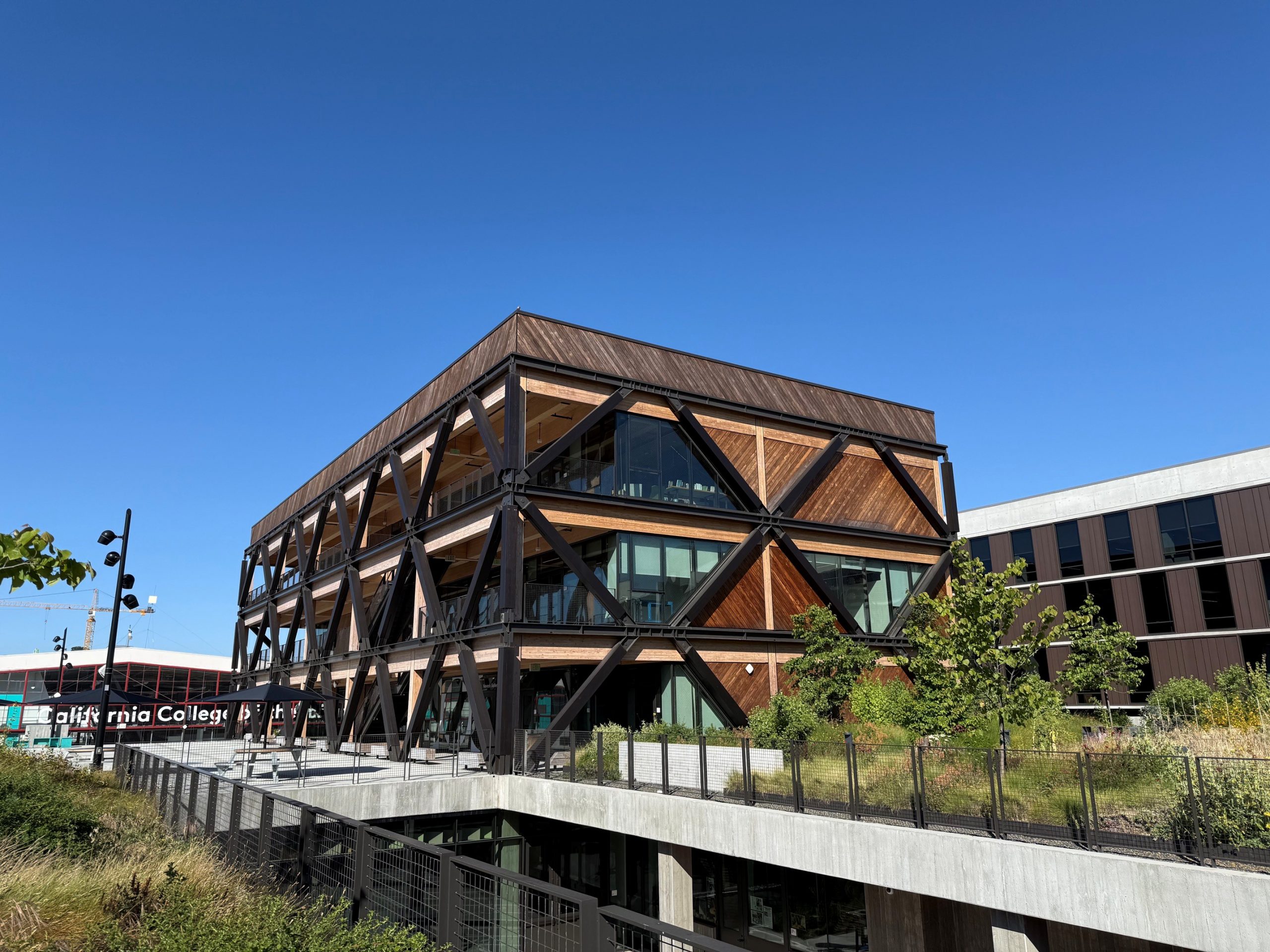
Vanderbilt University has announced that Nvidia founder and CEO Jensen Huang and his wife, Lori Huang, have pledged a $75 million matching gift to support the establishment of a new College of Art, Architecture and Design at the university's San Francisco campus. In recognition of the Huangs' extraordinary generosity, Vanderbilt announced that the new school will be officially named the Jen-Hsun and Lori Huang College of Art, Architecture and Design. According to the university, it is highly unusual for an academic college to be jointly named after both members of a couple. The Huangs' $75 million contribution is structured as a matching gift, meaning Vanderbilt must raise an equivalent amount from other sources by December 31, 2028. The initiative has already generated significant momentum: the San Francisco campus has raised more than $100 million to date, achieving over 40% of the matching goal. Donors include Tipping Point Community, the nonprofit organization founded by San Francisco Mayor Daniel Lurie. "San Francisco offers an extraordinary environment for learning across art, architecture, design and culture," Chancellor Daniel Diermeier said. "With the Jen-Hsun and Lori Huang College of Art, Architecture and Design, Vanderbilt is positioning these branches of creation as the heart of our San Francisco campus. This college, together with additional academic programming under development, will prepare creative leaders to shape culture, industries and communities in San Francisco's thriving economy, nationally and around the world. In partnership with the city and surrounding community, we will blend Vanderbilt's distinctive excellence with San Francisco's distinctive excellence to build something truly remarkable, together." "Technology expands what we can build. Art and design determine why we build it. Together they shape civilization. We are delighted to partner with Vanderbilt University to cultivate the next generation of creators and help San Francisco remain one of the world's great centers of creativity, innovation and culture," Jensen Huang said. The donation comes at a particularly significant moment. In January of this year, the California College of the Arts (CCA)—a 120-year-old institution and Northern California's last remaining nonprofit college dedicated to art and design—announced that it would close in 2027, citing years of declining enrollment and a $20 million budget deficit. The school has long served as one of California's leading incubators of artistic talent. Shortly after CCA announced its closure, Vanderbilt University, headquartered in Nashville, Tennessee, reached an agreement to acquire CCA's 4.5-acre Potrero Hill campus in San Francisco, establishing its first major foothold on the U.S. West Coast. It was at this pivotal moment that the Huangs' landmark gift laid the foundation for what will become the flagship college of Vanderbilt's new San Francisco campus. This is not Jensen Huang's first major philanthropic contribution to higher education. In 2025, when CCA first faced severe financial difficulties, he donated $22.5 million in an effort to help preserve the historic institution. The new $75 million commitment from Jensen and Lori Huang represents their largest single gift to a university to date, surpassing the at least $50 million they previously donated to Huang's alma mater, Oregon State University. Vanderbilt's San Francisco campus is expected to open in 2027 and plans to enroll approximately 1,000 undergraduate and graduate students. The Jen-Hsun and Lori Huang College of Art, Architecture and Design will serve as the campus's flagship academic unit and foundational institution. The university has already launched a nationwide search for the college's inaugural dean. At the same time, Vanderbilt will establish the California College of the Arts Institute within the Jen-Hsun and Lori Huang College of Art, Architecture and Design. The institute will preserve and advance CCA's longstanding traditions of experimentation, collaboration, and creative inquiry while remaining deeply connected to the cultural life of San Francisco and the broader Bay Area.
Recently, the European Research Council (ERC) announced the recipients of its latest Advanced Grant competition. A total of €838 million in funding will be awarded to 319 leading researchers across Europe. The ERC Advanced Grant is one of the most prestigious and competitive research funding schemes in the European Union and its associated countries. It enables established senior researchers to pursue ambitious, curiosity-driven projects with the potential to deliver major scientific breakthroughs. The grants are funded under the EU's Horizon Europe programme. The newly funded projects span a broad range of disciplines. They include research into why individuals differ in their susceptibility to drug addiction, ways to extend women's fertility and improve reproductive health, and the neural mechanisms underlying stuttering. Other projects aim to develop novel mathematical and algorithmic tools to address the increasing complexity of large-scale networks, ranging from transportation systems to the internet, while another seeks to deepen our understanding of complex systems in mathematics and physics, from magnetic materials to quantum materials. The new grantees will be hosted by universities and research institutions in 24 EU Member States and associated countries, with the largest numbers based in the United Kingdom (62 grants), Germany (46), Switzerland (32), Spain (29), and France (26). Among the awardees are 52 German, 45 British, and 29 Italian researchers, along with researchers representing 30 other nationalities. The United Kingdom received the highest number of grants of any participating country. A record 3,329 proposals were submitted to this year's competition, representing a 31% increase over last year's 2,534 applications. Of these, 9.6% were selected for funding. The ERC estimates that the newly awarded grants will create more than 3,000 jobs within the research teams of the successful applicants. According to official announcements from the respective universities, four senior researchers at the University of Cambridge received ERC Advanced Grants, while LMU Munich secured three grants and Heidelberg University was awarded two grants. Prof. Maria Leptin, President of the European Research Council, commented: "The new Advanced Grant projects demonstrate the creativity, ambition, and intellectual boldness that frontier research requires. The ERC's role is to support researchers who are asking difficult scientific questions and are willing to venture into unexplored territory in pursuit of new knowledge. Congratulations to all our new grantees. They represent 33 different nationalities—a testament to Europe's strength as a destination for outstanding scientific talent, regardless of origin. We must increase investment if Europe is to lead in science and innovation." About the ERCEstablished by the European Union in 2007, the European Research Council (ERC) is Europe's leading funding organization for frontier research. It supports outstanding researchers of any nationality and age to carry out investigator-driven research projects at host institutions across Europe. The ERC operates four principal funding schemes: Starting Grants, Consolidator Grants, Advanced Grants, and Synergy Grants. In addition, its Proof of Concept Grants help ERC-funded researchers bridge the gap between pioneering research and the early stages of commercialization. The ERC is governed by an independent Scientific Council. For the 2021–2027 funding period, the ERC has an overall budget of more than €16 billion under the Horizon Europe programme, which falls under the responsibility of Ekaterina Zaharieva, European Commissioner for Startups, Research and Innovation.
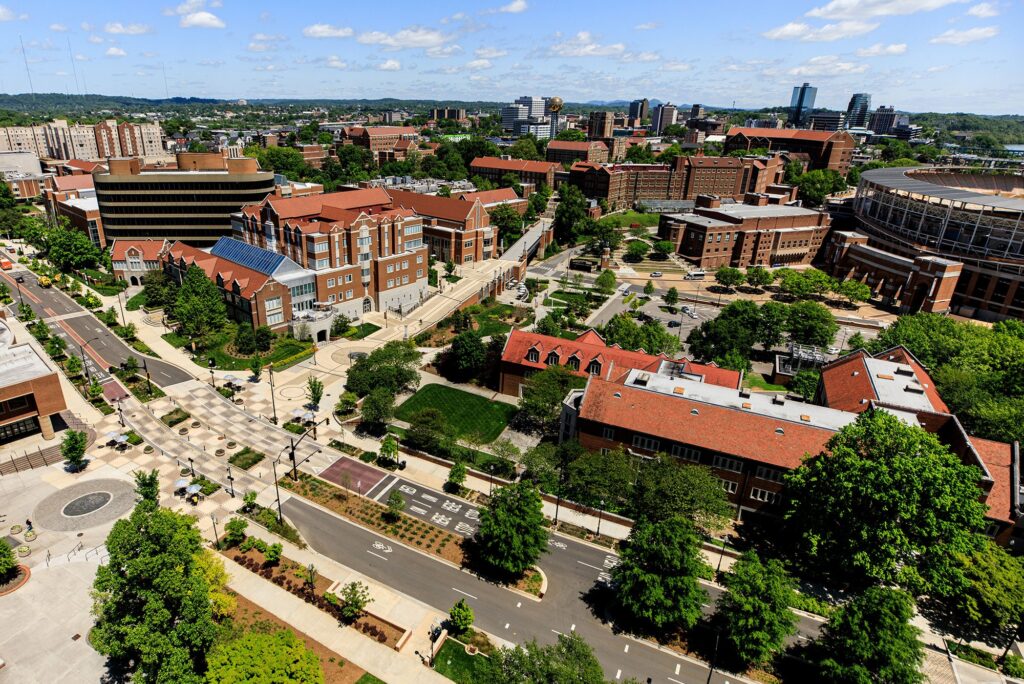
The University of Tennessee, Knoxville (UT), has received the largest philanthropic investment in its history—a transformative $130 million gift from alumni Dee and Jimmy Haslam, the CEO and chairman, respectively, of Haslam Sports Group, which owns the Cleveland Browns and holds a controlling interest in the Milwaukee Bucks, among other business ventures. The landmark investment will strengthen student success initiatives, enhance faculty recruitment, and further elevate UT’s position as a national leader in higher education. A significant portion of the funding will support the university’s Haslam College of Business, while also advancing campus-wide efforts to attract world-class faculty and expand UT’s impact across Tennessee and beyond. “We are honored to make this investment in UT and the Haslam College of Business,” Dee and Jimmy Haslam said in a joint statement. “The university is experiencing extraordinary momentum, and we are proud to help elevate its national reputation, attract world-class faculty, and support the next generation of leaders—all while keeping the best and brightest here in Tennessee.” Of the total gift, $100 million will be directed to the Haslam College of Business to recruit distinguished faculty and further strengthen student success programs, graduate scholarships, and the undergraduate honors program. The college is UT’s largest undergraduate academic unit, enrolling more than 30 percent of the university’s undergraduate students. “When I shared with Dee and Jimmy our vision to take UT to the next level, they immediately recognized the possibilities before us,” said Chancellor Donde Plowman. “I am deeply grateful for their counsel, vision, and generosity. This historic investment will help propel our pursuit of excellence and expand the positive impact our university has on the people and communities we serve across Tennessee and beyond.” The gift builds upon the Haslams’ longstanding commitment to the university. With this latest contribution, their lifetime giving to UT now exceeds $195 million. The investment will further strengthen UT’s nationally recognized student success initiatives by deepening collaboration between the Division of Student Success and the Haslam College of Business. The partnership aims to ensure that every business student has access to the resources, mentorship, and support needed to graduate and enter the workforce fully prepared. “At the Haslam College of Business, we are committed to attracting and educating exceptional students, recruiting faculty who are leaders in their disciplines, and bringing them together in world-class programs and facilities,” said Dean Stephen L. Mangum. “Excellence attracts excellence, and this investment will further enhance our ability to deliver meaningful research, transformative learning experiences, and expanded opportunities for our students.” Since its establishment in 2019, UT’s Division of Student Success has made significant strides in improving student outcomes. More than 92.4 percent of first-year students returned for their sophomore year last year—an increase of six percentage points since 2019. Improved retention rates have contributed to record enrollment growth and a 40 percent increase in the number of UT graduates during the same period. “This investment gives us the opportunity to think bigger than ever before,” said Amber Williams, senior vice provost for student success and chief honors officer. “By bringing together the strengths of the Haslam College of Business and the Division of Student Success, we are creating one of the nation’s strongest talent pipelines. Together, we are building a model for student success that will set the standard for years to come. I am incredibly grateful to Dee and Jimmy for their confidence in our vision.” The remaining $30 million will support a university-wide initiative to recruit internationally renowned faculty across a broad range of disciplines, reinforcing UT’s growing reputation for research, innovation, and discovery. In recent years, the university has gained national recognition for advances in areas ranging from nuclear energy and cancer research to next-generation computing technologies. By investing in both students and faculty, the Haslams’ historic gift is expected to generate lasting benefits not only for the university but also for the state of Tennessee, helping ensure that highly talented graduates educated by leading scholars contribute to the state’s future workforce and economic growth. About the University of Tennessee, Knoxville The University of Tennessee, Knoxville, has been shaping leaders, changemakers and innovative thinkers since its founding in 1794. The university is home to the Volunteers — more than 40,000 students and 10,000 employees who uphold the university’s tradition of leadership and service. UT Knoxville offers more than 900 programs of study across 14 degree-granting colleges and schools. As Tennessee’s flagship land-grant university, its footprint spans the entire state. The university holds the highest Carnegie classification for research activity and has deep partnerships with industry leaders and the US Department of Energy’s Oak Ridge National Laboratory.

May 5,the University of Southern California announced a transformational initiative that will leverage AI to accelerate innovation, breakthroughs and discovery across USC, including in the health sciences, security, business and the arts. Launched with a $200 million gift from legendary venture capitalist, NVIDIA board member and USC Trustee Mark Stevens and his wife, Mary, this new universitywide effort will recruit world-class AI researchers seeking to expand the frontiers of knowledge, develop new therapeutics, enhance our security, transform the world of business and enhance human creativity. In recognition of their generosity and vision, the USC School of Advanced Computing, which sits within the USC Viterbi School of Engineering, will be renamed the USC Mark and Mary Stevens School of Computing and Artificial Intelligence. “As AI becomes ever more powerful, it creates enormous opportunities to improve lives and solve some of our greatest challenges, if used the right way,” USC President Beong-Soo Kim said. “Mark and Mary Stevens’ generosity will allow USC to leverage our existing interdisciplinary strengths and capitalize on these new opportunities at a critical inflection point for our society. As a top destination for AI talent, USC can accelerate our mission of educating future leaders, addressing real-world problems and enhancing human values and agency.” USC already ranks in the top five in federal research support in areas related to computer science and offers more than 30 AI- and computing-related majors, minors and graduate degree programs that enroll thousands of students, with a new Bachelor of Science in Artificial Intelligence being introduced this fall. After graduation, Trojan alumni are leading the AI era: USC is the nation’s top producer of computer and information sciences graduates and the second-most common alma mater in Silicon Valley. Today, USC researchers, faculty and students are using AI to better understand and treat neurodegenerative diseases like Alzheimer’s and Parkinson’s, prevent suicides among college students and active-duty military members, and create high-tech, interactive virtual settings for film, TV and games. The newly named USC Mark and Mary Stevens School of Computing and Artificial Intelligence is the university’s nexus for interdisciplinary research, teaching and innovation in AI. The school was established in 2024 with a founding investment from the Lord Foundation of California and the opening of the award-winning Dr. Allen and Charlotte Ginsburg Human-Centered Computation Hall. Because of the USC Stevens School’s unique interdisciplinary model, the Stevenses’ investment will power research and education across the university. Their gift will scale existing efforts like those in the USC Mark and Mary Stevens Neuroimaging and Informatics Institute, where researchers are using AI to analyze thousands of brain scans and uncover the genetic patterns that help diagnose neurodegenerative diseases early, and the USC Institute for Creative Technologies, a University Affiliated Research Center of the U.S. Army that uses cutting-edge AI for military applications such as safe, immersive training. Interdisciplinary faculty expertise has also been key to launching efforts like USC’s new degree in Artificial Intelligence for Business, which trains students to bring the power of AI into business settings and applications; the USC Institute on Ethics and Trust in Computing, which connects USC philosophers, computer scientists, journalists, doctors, policymakers and others to explore how society can balance innovation with the responsible use of AI; and the USC Center for AI in Society, one of the first “AI for Good” centers, which focuses on the use of computing to support vulnerable people and communities. AI is even supporting students’ creative work in places like USC’s No. 1-ranked game design program as well as the USC School of Cinematic Arts, where emerging filmmakers use cutting-edge technologies to film with virtual production. About USC: Founded in 1880, the University of Southern California is one of the world’s leading academic research institutions with 23 schools, a multi-billion-dollar health enterprise and a vast research and development engine. The university enrolls 46,000 highly accomplished undergraduate and graduate students and employs 4,600 faculty who are members of major national academies, and MacArthur, Academy Award and Pulitzer Prize winners, among many others. USC has a nationally recognized athletic program and a passionate global network of 500,000 alumni — the Trojan Family. Located in the heart of Los Angeles, USC is a powerhouse of innovation and impact with a global reach.
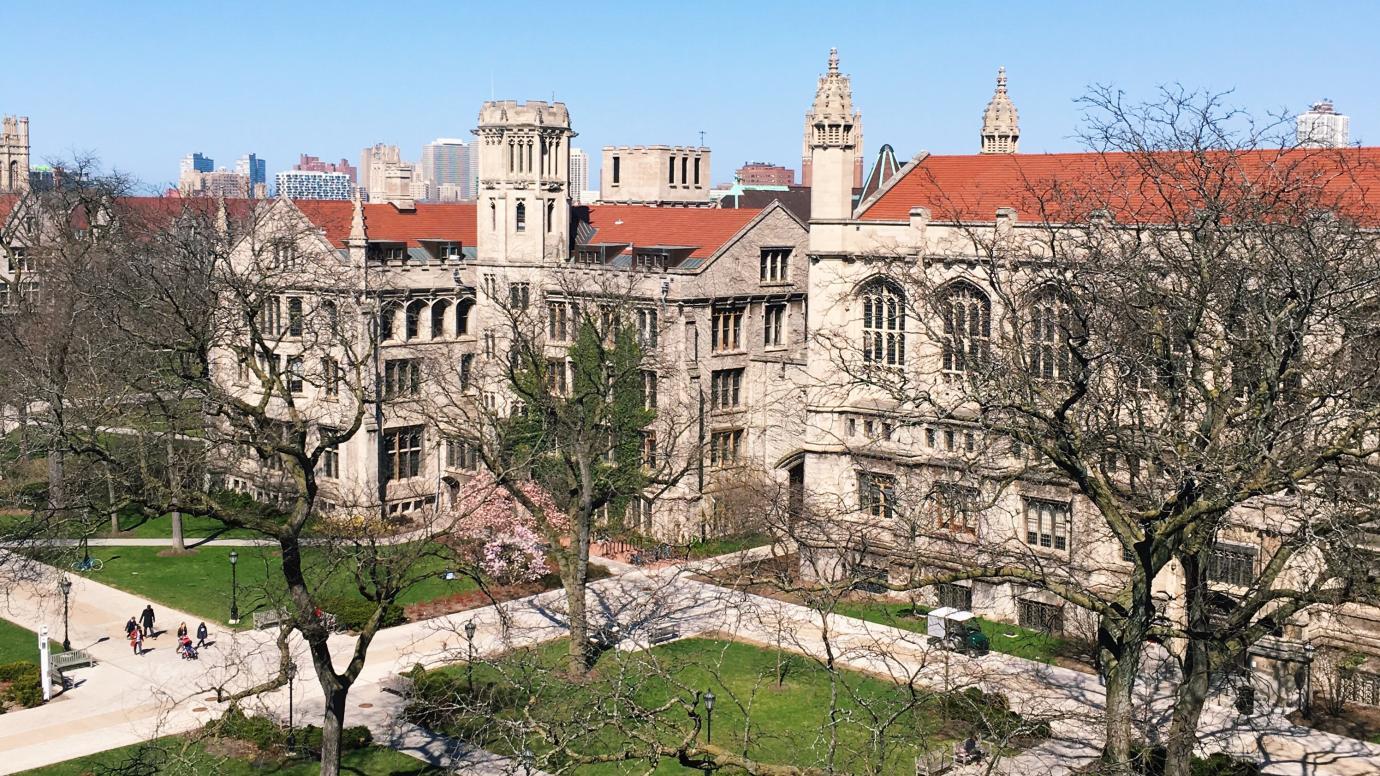
On April 2, the University of Chicago announced a $50 million gift from Trustee Rika Mansueto, AB'91, and Joe Mansueto, AB'78, MBA'80, to accelerate its ambitious artificial intelligence agenda. The gift will launch the Mansueto Faculty of Mind and Machine Challenge, which seeks to raise nearly $200 million to recruit, retain, and support 20 leading scholars across disciplines——while also fostering investments in the broader academic ecosystem of research and education on mind and machine. Recently, UChicago launched an ambitious AI initiative that supported 15 faculty and staff proposals — 10 groups focused on AI and research, and 5 groups focused on AI and education. The Mansuetos' gift builds directly upon this initiative and reflects the University's broader ambition: to develop an interdisciplinary model that advances discovery, knowledge, and human flourishing in the AI era. Rather than confining AI to a single department, the gift will support computational-focused research and education across the entire University—teaching students how to think with, without, and about machines—while enabling faculty to open new lines of inquiry around AI. The scholars supported through this challenge may work in fields ranging from the arts and humanities to the social sciences, medicine, economics, business, law, and beyond, advancing a holistic approach where questions of human intelligence, creativity, and responsibility are considered alongside technical innovation. In some cases, these faculty will hold joint appointments in computer science, mathematics, or statistics. With this latest gift, the Mansuetos' lifetime commitment to UChicago exceeds $117 million, including their earlier support for the Joe and Rika Mansueto Library. The new faculty challenge is expected to fund 20 scholars over the coming years, ensuring that the university’s tradition of rigorous, cross‑disciplinary inquiry shapes the future of AI.

Recently, The Government of Canada is investing more than $552 million through the Canada Foundation for Innovation (CFI) to support 92 research infrastructure projects at 32 universities and colleges across the country. Among them, the University of British Columbia and McGill University received the most funding, with 14 and 10 projects respectively. The funding, announced by Parliamentary Secretary Karim Bardeesy on behalf of Industry Minister Mélanie Joly, comes from the CFI’s Innovation Fund. It will provide researchers with cutting-edge tools and labs to accelerate discoveries in healthcare, energy, food security, quantum technology and AI. The investment supports new facilities, upgrades existing equipment, and strengthens specialized research hubs known as core facilities. These hubs help attract top researchers, maximize equipment use, and support private-sector collaboration. Projects being funded through the Innovation Fund include: Building Canada’s quantum ecosystem (British Columbia)Powering microelectronics innovation from lab to market (Quebec)Evolving sustainable poultry farming (Saskatchewan)Securing and shaping Canada’s ocean resources (Nova Scotia)Enabling advanced materials breakthroughs with real-world impact (Ontario)The CFI typically covers up to 40% of project infrastructure costs. Institutions secure the remaining 60% through provincial and private partnerships. An additional $127 million from the CFI’s Infrastructure Operating Fund will help cover operational expenses.

On 7 April, Michigan State University(MSU) has received a $47 million commitment from alumnus Charles (Chuck) and Jacqueline (Jackie) Frasier. This record-breaking gift — the largest ever for the top‑ranked School of Packaging —will reshape packaging education and research worldwide for generations. The Frasiers’ strategic roadmap includes: Capital transformation: A cornerstone allocation will start the next phase of the state-of-the-art expansion to the Packaging Building, creating modern labs and collaborative spaces.Strategic leadership: The establishment of an endowed director’s fund ensures MSU continues to attract world-class administrative and academic talent.Graduate excellence: A new fellowship endowment will provide critical support for the next generation of doctoral and master’s researchers.Institutional agility: A mix of endowed and expendable funds will address the school’s most pressing immediate needs and emerging initiatives. "This gift positions Michigan State to accelerate its leadership in packaging education and research in ways we have never seen before," said Matt Daum, dean of the MSU College of Agriculture and Natural Resources and associate provost. "It allows us to build a true hub for innovation, especially in sustainability, and to bring together top minds from industry, government and academia. This will be a place where ideas move faster, partnerships grow stronger and the future of packaging takes shape."


Data & Rankings
Data & Rankings
Data & Rankings
Data & Rankings
Data & Rankings