
Beyond the IPO: How Unitree Is Building China’s Humanoid Robotics Talent Pipeline


On August 19, Unitree Robotics Co., Ltd., widely regarded as China’s leading publicly listed humanoid robotics company, debuted on the A-share market. The stock opened at RMB 1,100 per share, up 629.44%, sending its total market capitalization soaring to RMB 444.9 billion. Based on the IPO price of RMB 150.8 per share, investors allocated one lot (500 shares) would have made a profit of as much as RMB 474,600.
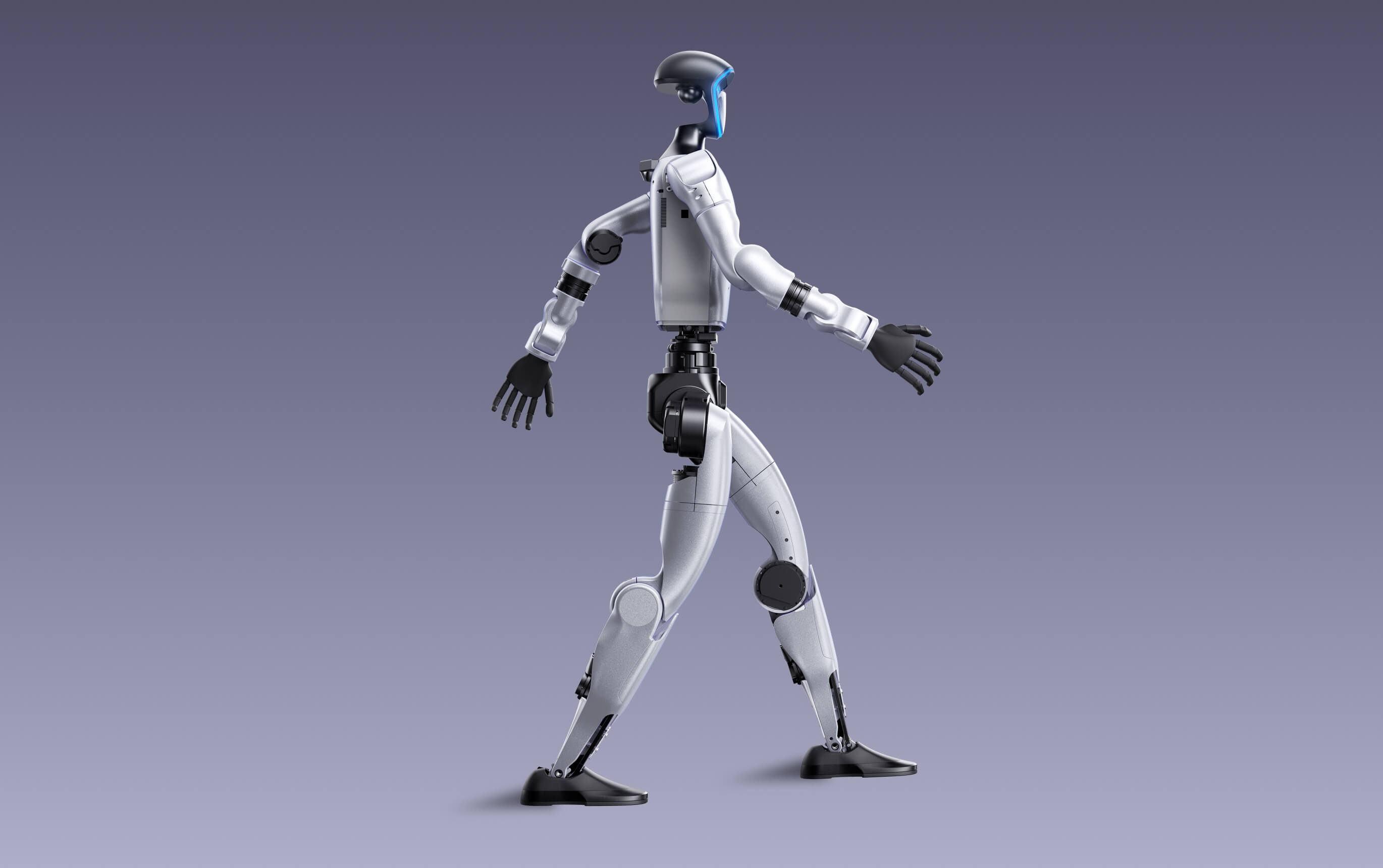
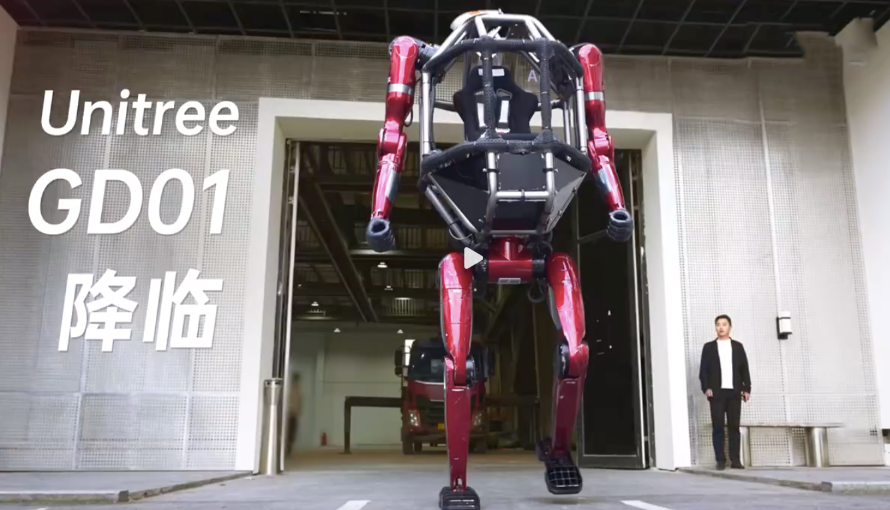
Unitree Robotics is a high-performance general-purpose robotics company focused on the R&D, production, and sales of high-performance general-purpose humanoid robots, quadruped robots, robotic components, and embodied intelligence models. 2026 marks the tenth anniversary of the company’s founding.
In its updated prospectus for its IPO and listing on the STAR Market, Unitree Robotics disclosed its latest financial results for the first half of 2026. From January to June 2026, the company recorded operating revenue of RMB 1.152 billion, up 48.54% year on year. Net profit attributable to shareholders reached RMB 274 million, compared with a net loss of RMB 32.0245 million in the same period last year. Net profit excluding non-recurring items was RMB 244 million, down 19.34% year on year.
Behind Unitree Robotics’ listing is the rapid development of China’s embodied intelligence industry. According to the China Embodied Intelligence Industry Development Report (2026), China’s embodied intelligence market grew from RMB 213.3 billion in 2018 and is expected to reach RMB 1.09 trillion in 2026.
At the same time, the enormous market size and highly promising industry outlook are rapidly driving strong demand for talent in embodied intelligence. Industry forecasts suggest that China’s embodied intelligence sector currently faces a talent shortage of as many as one million people.
Wang Xingxing, founder and chairman of Unitree Robotics, said in an interview that the humanoid robotics industry essentially did not exist before, and that the relevant talent pool has only gradually developed in recent years. Both the quantity and quality of talent still need time to catch up with the industry’s growth. Asked specifically what kinds of talent are in short supply, his answer was: virtually every type of position is understaffed, with AI talent being the most critical.
Unitree Robotics’ prospectus likewise identifies artificial intelligence, motion control, and perception and interaction as key R&D areas for future expansion. It also characterizes the general-purpose robotics industry as one that is “talent- and technology-intensive, with rapid innovation and iteration.”
In fact, Unitree Robotics has long been exploring partnerships with universities to establish talent-development systems that can adapt to changes in the industry.
In 2021, Zhejiang Sci-Tech University, Wang Xingxing’s alma mater, and Unitree Robotics established a Joint Laboratory for Intelligent Robotics. Since then, Unitree’s partnerships with universities have continued to evolve, expanding into industry colleges, innovation programs, and specialized minor programs in embodied intelligence.
To date, Unitree has established industry colleges in more than a dozen Chinese cities, including Qingdao, Liuzhou, Zhengzhou, Jiaozuo, Hefei, Xiamen, Suzhou, Ningbo, Guangzhou, and Wuhan. Most of these cities share a common characteristic: strong manufacturing foundations and abundant application scenarios for robotics.
Establishing industry colleges in major manufacturing hubs serves two purposes. On the one hand, they can cultivate the application-oriented talent that companies need. On the other, educational partnerships can help companies build deeper connections with local industries and university research ecosystems.
Unitree’s prospectus shows that in the first three quarters of 2025, research and education applications accounted for 73.6% of the company’s humanoid robot revenue, making this by far its largest application segment. In the early stages of the general-purpose robotics industry, customers in research and education use robots for application development, scenario validation, and training—laying the groundwork for large-scale adoption in consumer and industrial applications.
In other words, before robots can truly enter complex environments such as factories and homes, universities and research institutions serve not only as venues for technology validation but also as important testing grounds for robots on their path toward commercialization.
In this way, Unitree’s university partnerships can gradually evolve beyond individual collaborations, becoming an integral part of broader industrial development strategies at the city level.


TRENDING
Before the Nobel Prizes: Which Universities Are Leading the Pipeline of Future Laureates?
Data & Rankings
Where Fields Medalists Studied and Worked?
Data & Rankings
Which Universities Are Producing the Next Nobel Laureates? The Breakthrough Prize Offers Some Clues
Data & Rankings
MIT Tops QS World Rankings for 15th Straight Year
Data & Rankings
Harvard Tops U.S. News Global University Rankings
Data & Rankings