
Nobel Laureate Konstantin Novoselov Among New SNAS Fellows


Recently, at the 50th Anniversary Celebration Ceremony of the Singapore National Academy of Science (SNAS), four distinguished scholars — Ho Teck Hua, Joseph J.Y. Sung and Pu Kanyi from Nanyang Technological University (NTU), and Konstantin Sergeevich Novoselov from the National University of Singapore (NUS) — were officially elected as Fellows of the Singapore National Academy of Science (SNAS).
The SNAS Fellowship represents the pinnacle of scientific recognition conferred by a scientific society in Singapore. With these four new Fellows, the total number of SNAS Fellows has reached 66.
The SNAS Fellowship honors exemplary individuals for their exceptional and enduring contributions to science and education. As Singapore’s scientific leaders, SNAS Fellows form a distinguished community entrusted with guiding national research directions and policy development, advancing thought leadership, and promoting science education for the public good. These outstanding scientists are also committed to upholding scientific integrity and strengthening Singapore’s research ecosystem.
Konstantin Sergeevich Novoselov
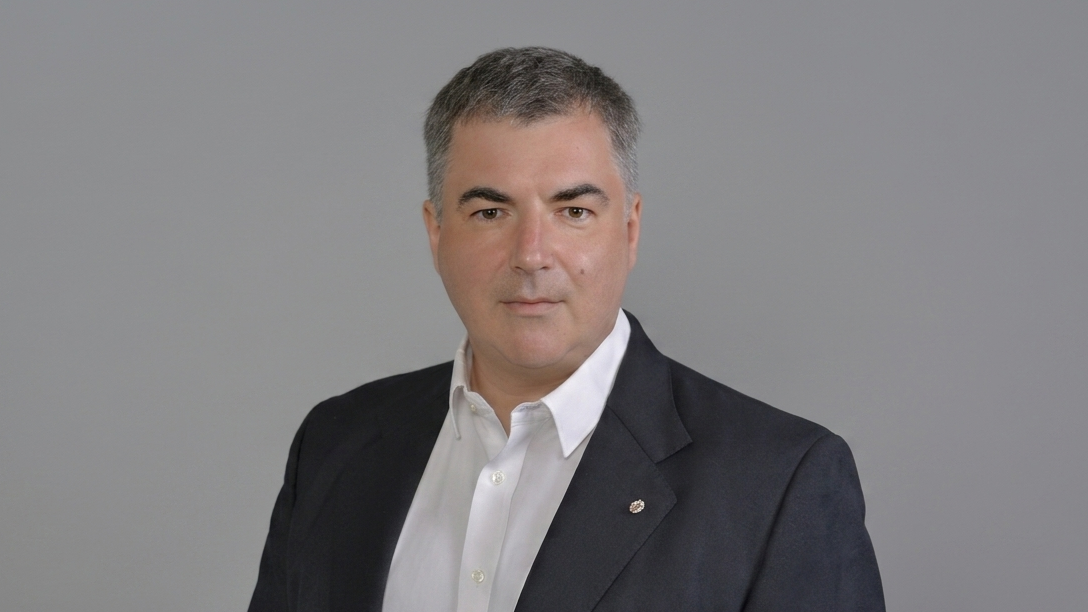
Citation for election:
"For his transformative and seminal discovery of graphene and exploration of other two-dimensional (2D) materials."
Professor Konstantin Sergeevich Novoselov holds the Tan Chin Tuan Centennial Professorship at the National University of Singapore (NUS), where he also serves as Director of the Institute for Functional Intelligent Materials and is a faculty member of the Department of Materials Science and Engineering at the College of Design and Engineering.
An internationally renowned physicist specializing in condensed matter physics, mesoscopic physics, and nanotechnology, Professor Novoselov’s research spans a broad range of areas, including mesoscopic phenomena in ferromagnets and superconductors, electronic properties of two-dimensional electron gases in GaAs/AlGaAs heterostructures, graphene, nanofabrication, and nanotechnology.
In 2010, Professor Novoselov, together with Professor Andre Geim, was awarded the Nobel Prize in Physics for their groundbreaking research on graphene. Their discovery introduced graphene — a material recognized for its exceptional electrical conductivity, flexibility, and strength — and opened a new frontier of multidisciplinary research.
Professor Novoselov was appointed Commander of the Order of the Netherlands Lion in 2010 and later received a knighthood as a Knight Bachelor of the British Empire in 2012. With more than 600 peer-reviewed publications, he has received numerous international honors, including the Europhysics Prize, Leverhulme Medal, and Dalton Medal, and is a Fellow of The Royal Society.
Ho Teck Hua
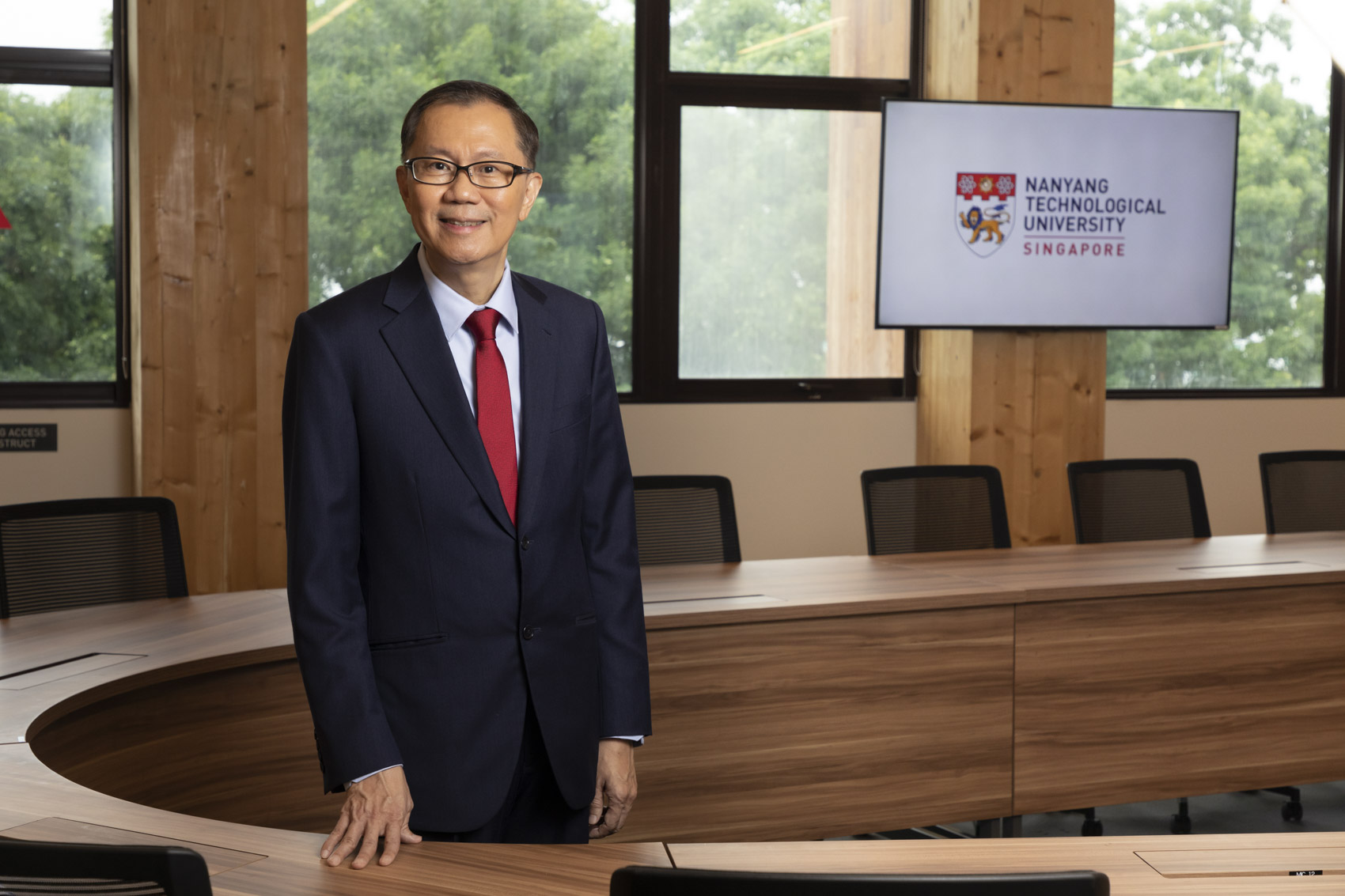
Citation for election:
"For his immense contributions to the scientific and education ecosystem and the advancement of artificial intelligence research and development in Singapore."
Professor Ho Teck Hua is the fifth President of Nanyang Technological University, Singapore (NTU) and a Distinguished University Professor. He is also the founding Executive Chairman of AI Singapore (AISG), Chair of the Association of Pacific Rim Universities, and President of the Academy of Engineering, Singapore.
A leading behavioral scientist, Professor Ho holds a PhD and a master’s degree in decision sciences from the Wharton School of the University of Pennsylvania. He also earned a master’s degree in computer and information sciences and a first-class honors bachelor’s degree in electrical engineering from the National University of Singapore.
In 2015, Professor Ho became the first recipient of Singapore’s National Research Foundation Returning Singaporean Scientists Scheme for his work on “Solving Societal Challenges Using Data-Driven Decision Sciences.” In 2017, he spearheaded the establishment of AI Singapore, a national artificial intelligence research and development program.
Under his leadership, AI Singapore launched several flagship initiatives, including AI-driven solutions addressing national challenges in healthcare and education, the 100Experiments program to accelerate industrial adoption of AI technologies, and the award-winning AI Apprenticeship Programme, which develops Singapore’s AI talent pipeline.
Professor Ho serves on the boards of several major Singapore institutions, including the Communicable Diseases Agency, DSO National Laboratories, Government Technology Agency, Monetary Authority of Singapore, and National Research Foundation. He is also an Academician of Academia Sinica and a Fellow of INFORMS.
His honors include the Public Administration Medal (Gold) (2023) and the President’s Science and Technology Medal (2024), Singapore’s highest recognition for individuals who have made distinguished, sustained, and exceptional contributions to advancing the nation’s science and technology ecosystem.
Joseph J.Y. Sung
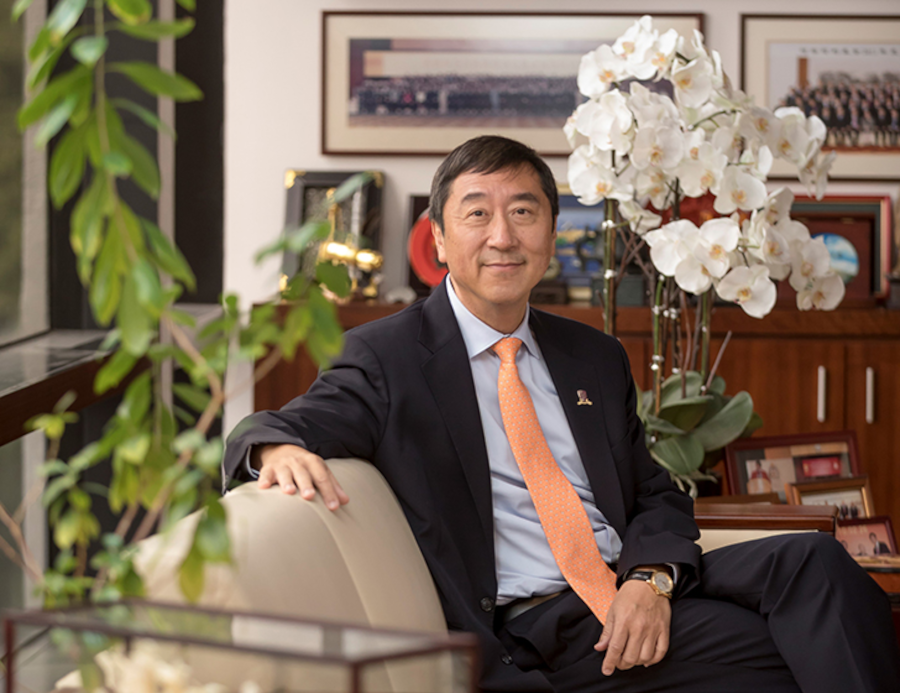
Citation for election:
"For his seminal contributions in academic leadership and key role in Singapore’s emerging academic health and AI-in-medicine ecosystems."
Professor Joseph J.Y. Sung serves as Senior Vice President (Health & Life Sciences) at Nanyang Technological University, Dean of the Lee Kong Chian School of Medicine, and Distinguished University Professor.
Professor Sung received his medical degree (MB BS) from The University of Hong Kong in 1983, followed by a PhD in biomedical sciences from the University of Calgary and an MD from The Chinese University of Hong Kong.
He is a Fellow of multiple prestigious medical organizations, including the Royal Colleges of Physicians of Edinburgh, Glasgow, London, and Australia, the American College of Gastroenterology, the American Gastroenterological Association, the Hong Kong College of Physicians, and the Hong Kong Academy of Medicine.
Professor Sung is also an Academician of the Chinese Academy of Engineering, an Academician of the Eurasian Academy of Sciences, and a Founding Member of the Academy of Sciences of Hong Kong.
His research focuses on gastrointestinal diseases, including intestinal bleeding, Helicobacter pylori, peptic ulcers, hepatitis B, colorectal cancer, and digestive system cancers. His team demonstrated the relationship between H. pylori infection and peptic ulcer disease and pioneered antibiotic-based treatment approaches that transformed global gastroenterology practices.
His research has also advanced endoscopic treatments for ulcer bleeding, reducing the need for surgical intervention. In recent years, his work has expanded into gut microbiome research and the application of artificial intelligence in clinical medicine.
Pu Kanyi
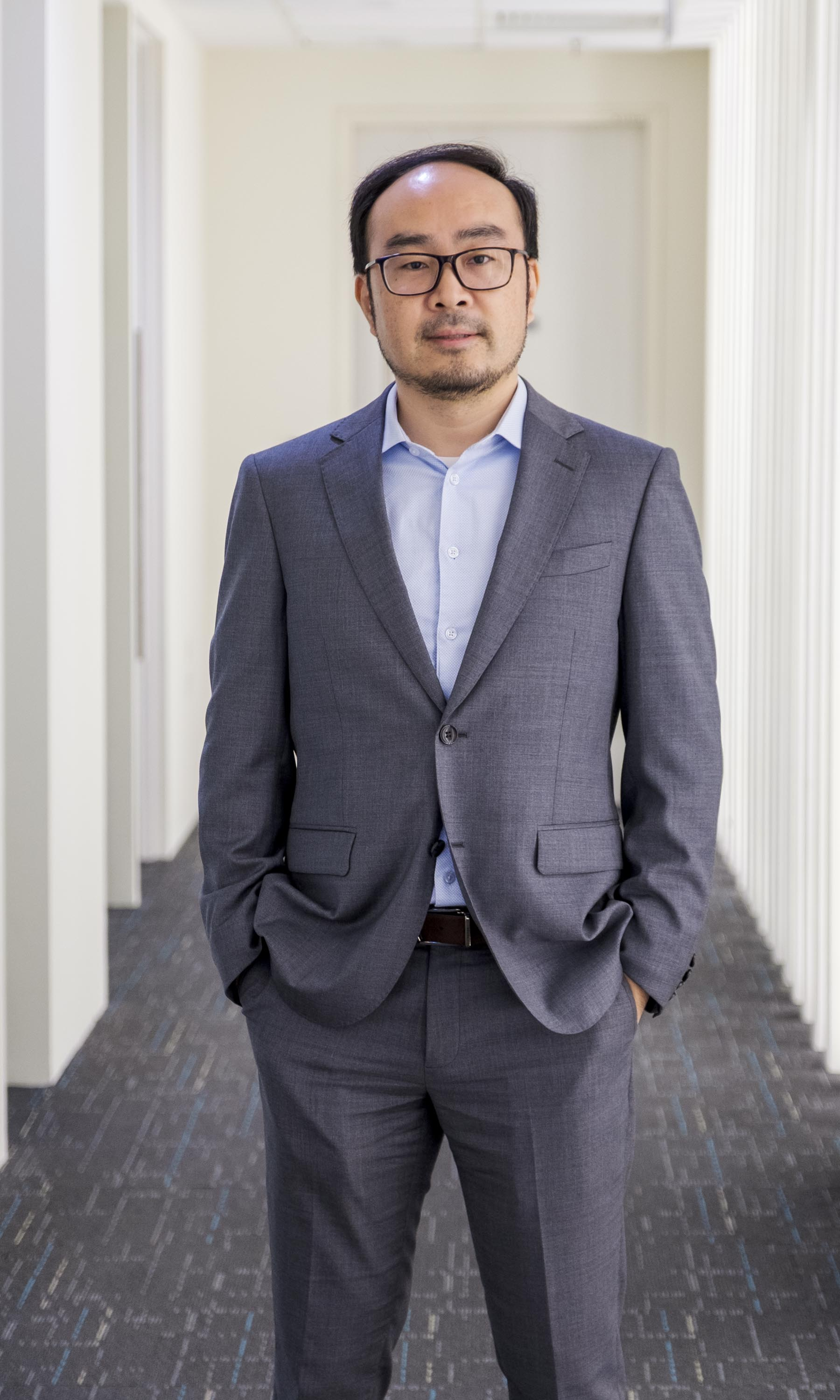
Citation for election:
"For his contributions in elevating Singapore's global reputation and driving innovation in molecular imaging probes, early diagnosis and precision medicine."
Professor Pu Kanyi is Associate Dean (Research) at the College of Engineering, President’s Chair in Biomedical Engineering, and Professor at the School of Chemistry, Chemical Engineering and Biotechnology, Nanyang Technological University (NTU).
Professor Pu received his bachelor’s degree from the School of Materials Science and Engineering at East China University of Science and Technology in 2004, his master’s degree from Fudan University in 2007, and his PhD from the National University of Singapore in 2011. From 2011 to 2015, he conducted postdoctoral research at the Molecular Imaging Center at Stanford University.
His research focuses on molecular imaging probes, early disease diagnosis, and precision medicine, contributing significantly to Singapore’s global reputation in biomedical innovation.
Professor Pu serves as Executive Editor of the Journal of the American Chemical Society and as an editorial advisory board member for more than 18 leading journals, including Chemical Society Reviews, Advanced Materials, Advanced Functional Materials, Biomaterials, Small, and Bioconjugate Chemistry.
Recognized by Web of Science as one of the world’s most influential researchers in Biology and Biochemistry, Chemistry, and Materials Science, Professor Pu has received numerous prestigious awards, including the Singapore National Research Foundation (NRF) Investigatorship and the Biomaterials Science Lectureship Award.


TRENDING
Which Universities Are Producing the Next Nobel Laureates? The Breakthrough Prize Offers Some Clues
Data & Rankings
Where Fields Medalists Studied and Worked?
Data & Rankings
MIT Tops QS World Rankings for 15th Straight Year
Data & Rankings
Harvard Tops U.S. News Global University Rankings
Data & Rankings
2026 Fields Medal Winners Announced: Four Mathematicians Honored
Research & Innovation